Photography Tips: Field-Tested Practical Advice
Good photographs are rarely accidents. These guides break down light, composition, timing and gear choices into habits you can practise on your next shoot. Every story below is reported and edited by our team, with context, practical detail and primary sources you can follow.
Composition Habits That Make Ordinary Scenes Look Intentional
How we report on photography tips
Each photography tips story follows the same routine: a clear question, at least two interviews or first-hand visits, and a check of every factual claim against a primary source. We name the people we spoke to, link the references we used and correct errors in public when we find them.
How to get the most from photography tips
Start with the decision you are actually facing, whether that is which lens to carry, how to light a small stage or how to finish a file for print. Our stories are written to be useful before and after the purchase, and the two below cover different sides of the same subject. Read both Golden Hour Without Guesswork and Composition Habits That Make Ordinary Scenes Look Intentional for the full picture.
When this subject matters most
Photography advice is most useful when you can practise it the same week. Pick one idea, such as protecting highlights or working a single focal length, and test it on a normal walk rather than waiting for a special trip. Light changes with the season, so revisit the same location at a different time of year. A small notebook of what worked will teach you more than another gear comparison. Background: the principles of photography.
What our editors found in 2026
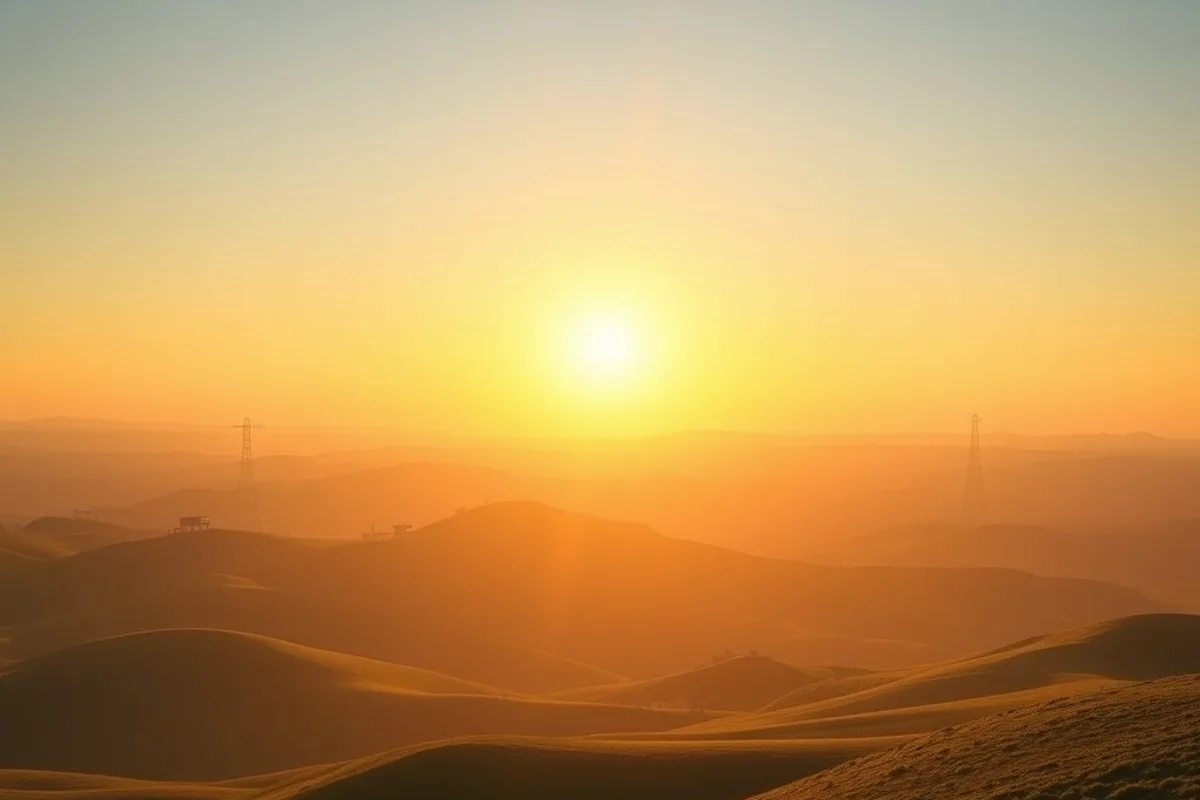
Golden Hour Without Guesswork: Golden hour is the most recommended and least understood window in photography. It is not a filter that fixes a weak scene, and it does not last an hour everywhere. This guide explains how to plan the light, expose for it and come home with files that still look good on a large screen.
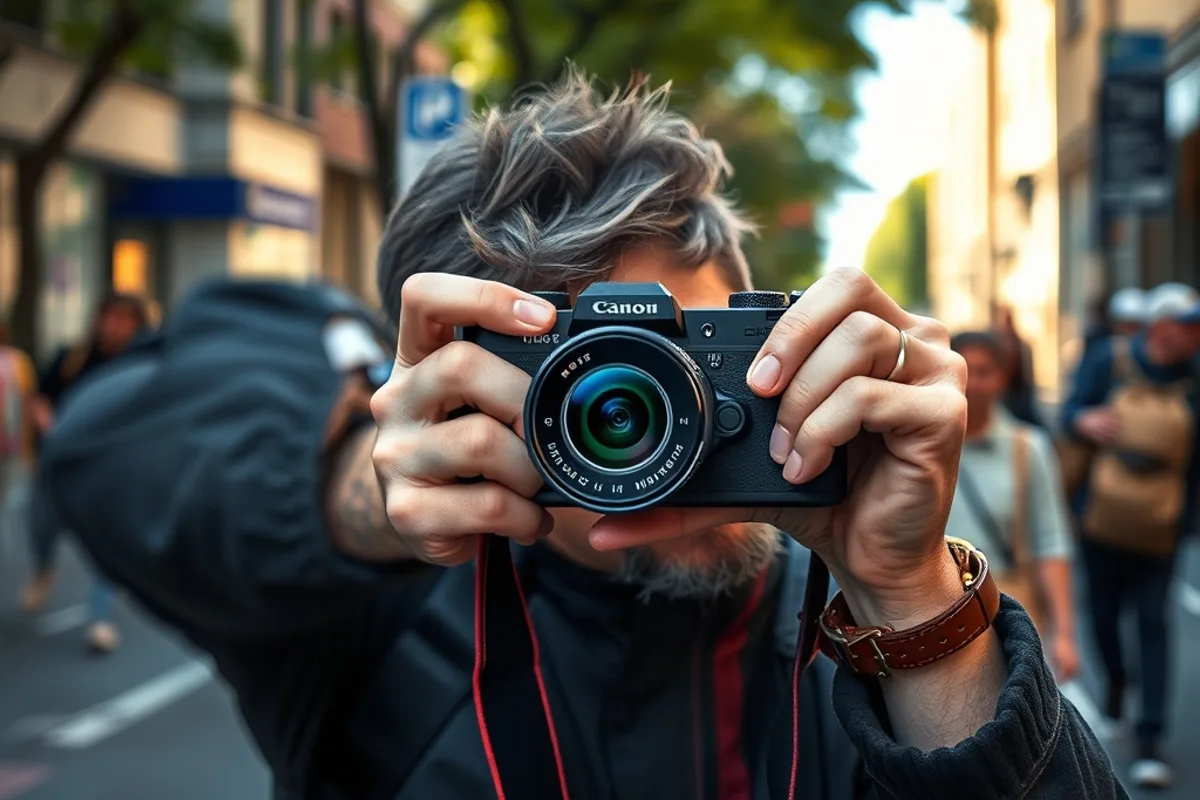
Composition Habits That Make Ordinary Scenes Look Intentional: Most photographs fail for a boring reason: the viewer cannot tell what the picture is about. Composition is how you answer that question before anyone asks it. These habits are simple enough to practise on a normal walk and flexible enough to use in any genre.
Technique is cumulative. A photographer who understands light, timing and framing will make a better picture with a basic camera than a beginner will with an expensive one. That is why our guides focus on decisions you can repeat: where to stand, when to press the shutter and what to leave out of the frame. Gear matters, but it matters after the decision.
Practise with constraints. One lens for a month, one subject for a week, or a fixed crop for a single walk. Constraints expose habits you did not know you had and force you to solve problems with position rather than equipment. They also make editing easier, because the files arrive with a clearer intention behind them.
Finally, look at pictures away from a screen. Prints, books and gallery walls teach composition and scale in a way that scrolling cannot. Notice how a photograph holds attention at different sizes, and how much detail is actually needed. The goal is not to copy what you see, but to develop a standard you can measure your own work against.
Common questions about photography tips
What is the fastest way to improve my photos? Pick one habit and practise it for a week, such as checking the frame edges or exposing for highlights. Focused repetition beats reading many tutorials without shooting.
Do I need an expensive camera? Not to learn. A basic camera with manual controls and one prime lens can teach you everything about light and composition. Upgrade when a specific limitation stops you, not before.
How much editing is acceptable? As much as the picture needs and no more. Correct exposure, colour and contrast, remove distractions if that serves the subject, and avoid effects that hide a weak composition.