Art & Culture: Stories Behind the Work
Art does not appear from nowhere. In this section we follow the exhibitions, studios, fairs and quiet traditions that give creative work its context, and we explain why they matter now. Every story below is reported and edited by our team, with context, practical detail and primary sources you can follow.
How we report on art & culture
Each art & culture story follows the same routine: a clear question, at least two interviews or first-hand visits, and a check of every factual claim against a primary source. We name the people we spoke to, link the references we used and correct errors in public when we find them.
How to get the most from art & culture
Start with the decision you are actually facing, whether that is which lens to carry, how to light a small stage or how to finish a file for print. Our stories are written to be useful before and after the purchase, and the two below cover different sides of the same subject. Read both The Quiet Return of Analogue Craft in a Digital Art World and How Small Museums Are Rewriting the Rules of Public Art for the full picture.
When this subject matters most
Cultural calendars move in seasons, so the best time to plan is usually a few weeks before a new exhibition cycle opens. Major museums announce autumn and spring programmes months ahead, while small spaces publish late and fill quickly. Check official listings before travelling, and book timed slots for anything popular. Membership is worth considering if you plan to return more than three times a year, but compare the full benefits rather than the headline discount. Background: how art reflects culture.
What our editors found in 2026
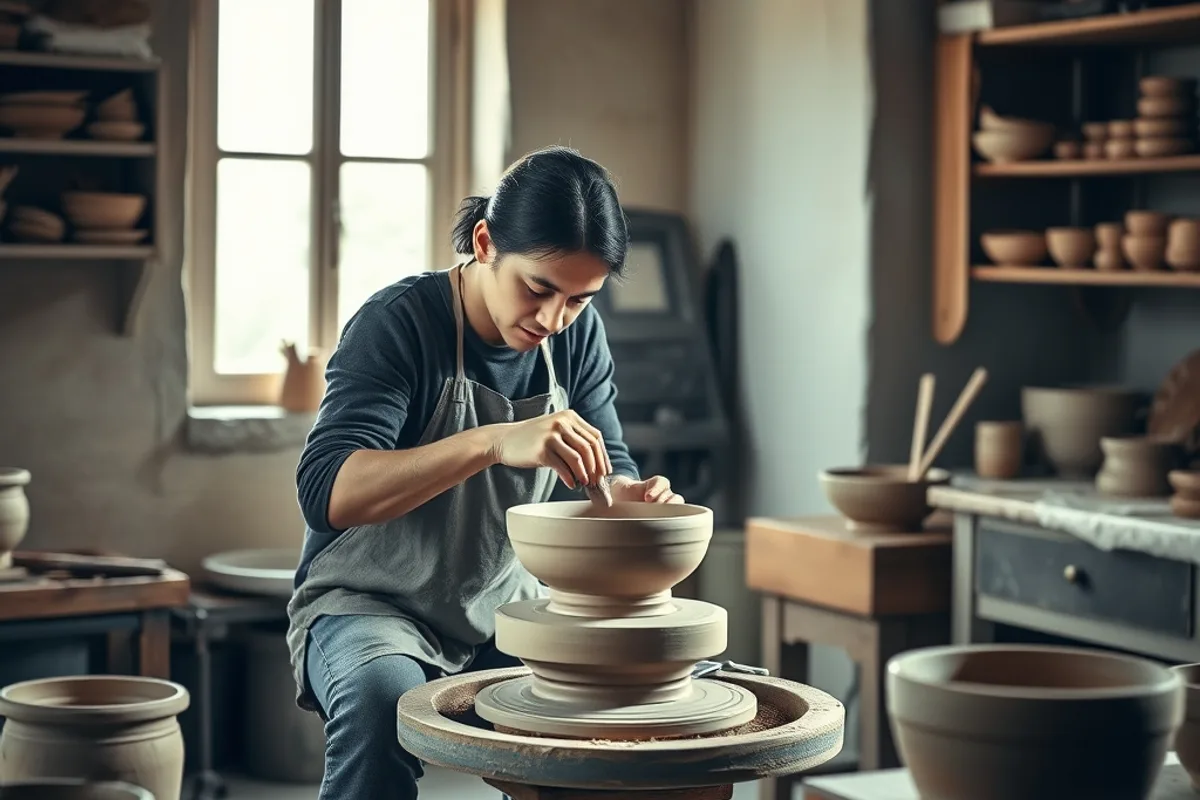
The Quiet Return of Analogue Craft in a Digital Art World: In a year when almost every image can be generated in seconds, a growing number of makers are choosing slower materials. We spent six weeks visiting ceramic studios, community darkrooms and bookbinders to understand what the return to analogue craft actually offers, and where the romance runs ahead of the reality.
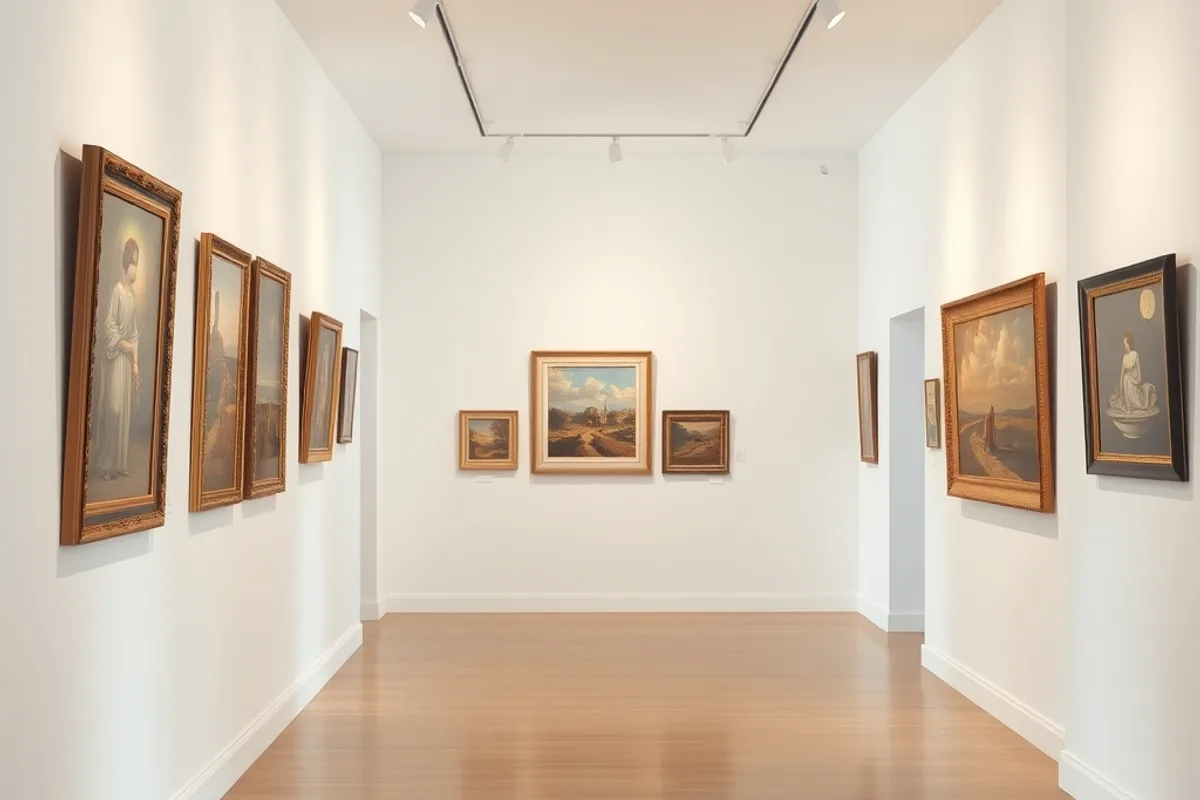
How Small Museums Are Rewriting the Rules of Public Art: The most interesting museum experiments in 2026 are not happening in grand capitals. They are happening in regional galleries with modest budgets, where free entry, local partnerships and long-term loans are changing who walks through the door. We visited four institutions to see what the new model achieves and where it still falls short.
Culture is not decoration around the artwork; it is part of how the work is made and received. A painting hung in a regional gallery carries a different set of expectations from the same painting in a private collection. When we report on an exhibition, we look at who funded it, who was consulted and what the wall text asks visitors to notice. Those details often explain more than the press release.
Small institutions are where much of the interesting work happens in 2026. They can respond faster to their neighbourhoods, take risks with unfamiliar artists and build long relationships with local schools. The trade-off is money and staff time. A programme that looks effortless usually rests on a handful of people doing several jobs, which is why we ask about funding and workload as well as artistic vision.
For readers, the practical advice is to slow down. Visit a smaller show twice, once for the overview and once for a single room. Read the labels, then look again. Ask what the exhibition wants you to feel and whether the arrangement earns that feeling. A critical visit is not a suspicious one; it is simply more attentive, and it usually makes the work more memorable.
Common questions about art & culture
Do I need to know art history to enjoy an exhibition? No. Start with what you notice, then read the labels and ask what the curator wants you to compare. A little context helps, but curiosity is the only real prerequisite.
Are small museums worth travelling for? Often, yes. They tend to show local collections in more unusual ways and are less crowded. Check opening hours carefully, because smaller institutions may close early or on unusual days.
How can I support local culture? Attend, pay what you can, buy from the shop and tell other people. Repeat visits matter more than a single large purchase, and feedback helps small teams plan better programmes.