Composition Habits That Make Ordinary Scenes Look Intentional

Most photographs fail for a boring reason: the viewer cannot tell what the picture is about. Composition is how you answer that question before anyone asks it. These habits are simple enough to practise on a normal walk and flexible enough to use in any genre.
Decide what the picture is about
Before raising the camera, name the subject in one word. If you cannot, the frame will show everything and emphasise nothing. The name might be a person, a colour, a shape or a feeling, but it has to be specific enough to guide your next decision about distance and angle.
Then remove whatever does not support that subject. Move two steps left, crouch, wait for a passer-by to clear the frame or change lens. Simplification is the fastest route to a stronger image, and it usually costs nothing except the willingness to abandon the first version of the shot.
Use placement, not just rules
The rule of thirds is a useful training wheel, not a law. Putting a subject off-centre creates tension and gives the eye somewhere to travel, but a centred subject can be equally powerful when the frame is symmetrical and still. What matters is that the placement looks chosen rather than accidental.
Try the same scene with the subject in three positions and compare. Notice how the background changes, where the eye enters and whether the empty space feels active or dead. A subject looking into a large empty area creates anticipation; a subject pressed against the edge creates unease. Both can work if the choice is deliberate.
Related reading: a field guide to golden hour light pairs well with Golden Hour Without Guesswork.
Find a frame inside the frame
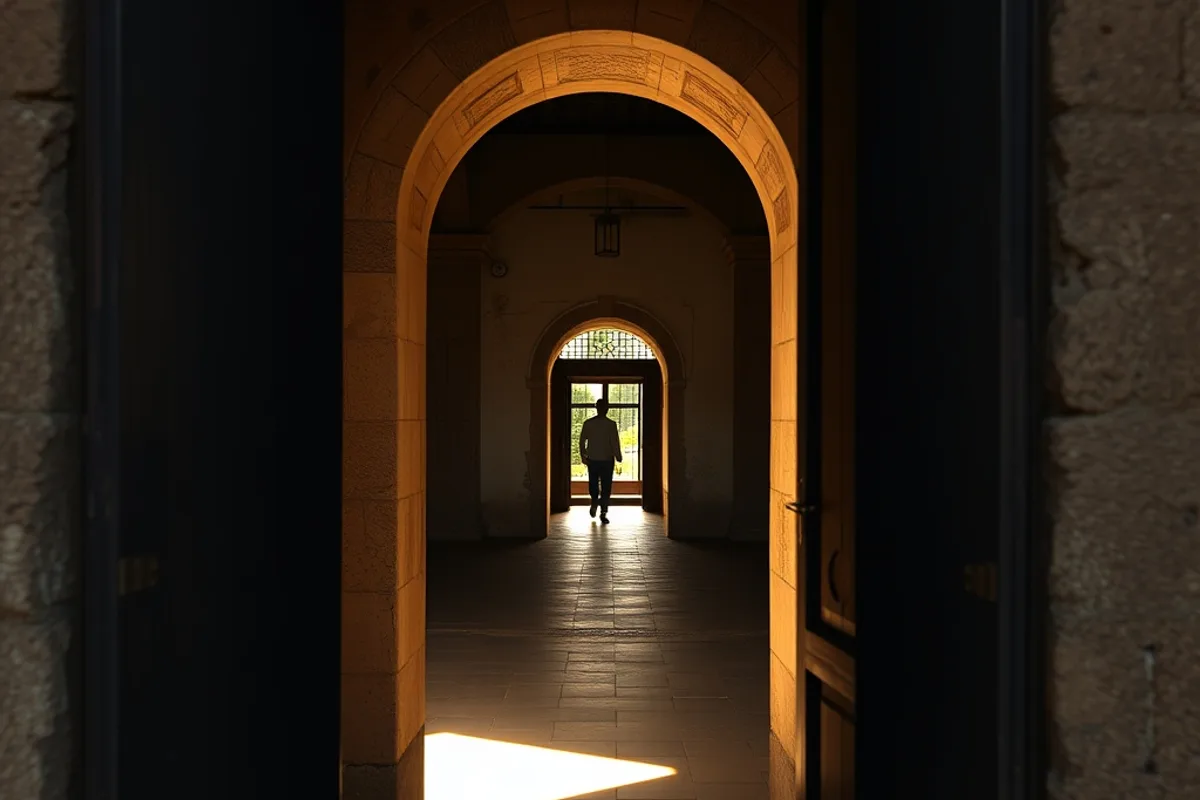
Doorways, windows, branches and gaps between buildings can wrap a subject and direct attention. The frame does not need to surround the subject completely. A strong vertical on one side and a soft edge on the other is often enough to suggest depth and keep the eye moving inward.
Watch the edges of your viewfinder, not just the centre. A bright patch or a stray branch at the border pulls attention away. Take half a step forward or tilt slightly to clean it up. Most composition errors are edge errors, and they are easy to fix before the shutter fires.
Most composition errors are edge errors, and they are easy to fix before the shutter fires.
Work the foreground
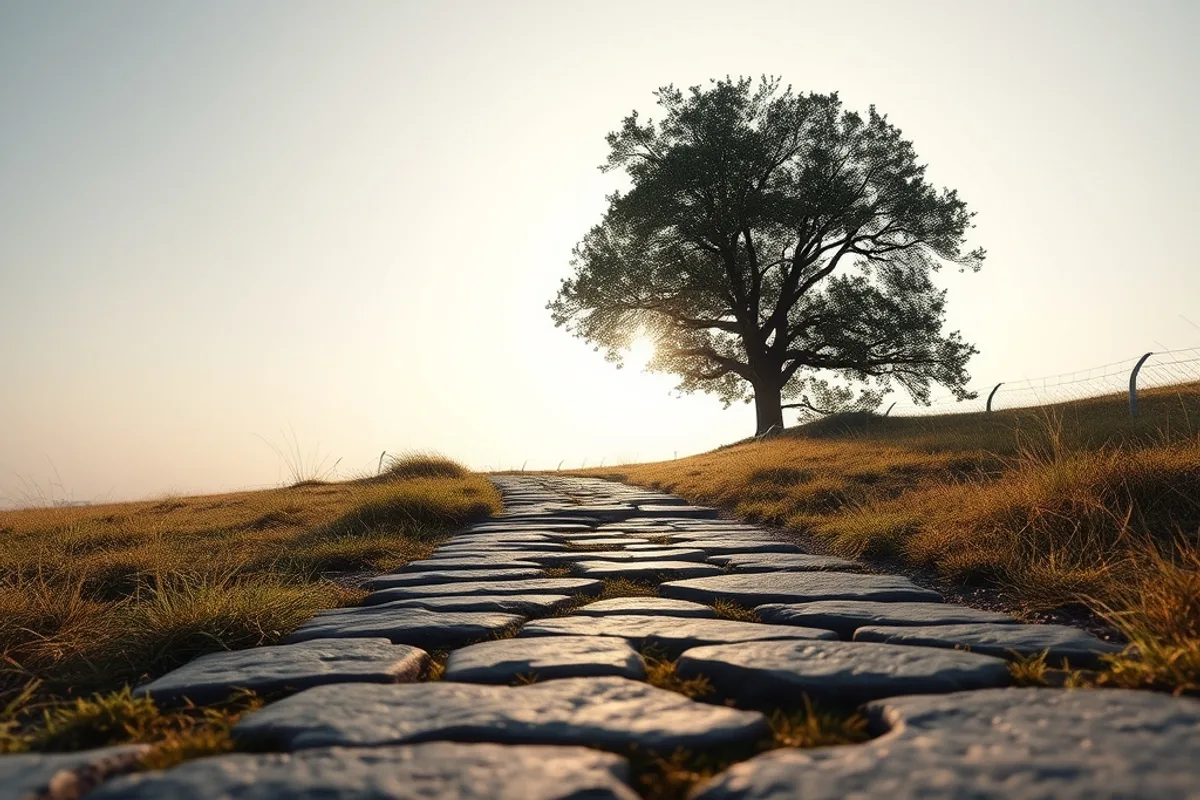
A foreground gives a two-dimensional image a sense of distance. It can be a path, a table edge, a row of flowers or a shadow. The trick is to keep it simple and slightly darker than the subject, so it reads as context rather than competition.
In street and travel photography, get low and include the ground. In portraits, let a shoulder or a chair occupy the lower corner. Even a small amount of foreground changes how the viewer enters the picture, and it often turns a flat snapshot into something with depth.
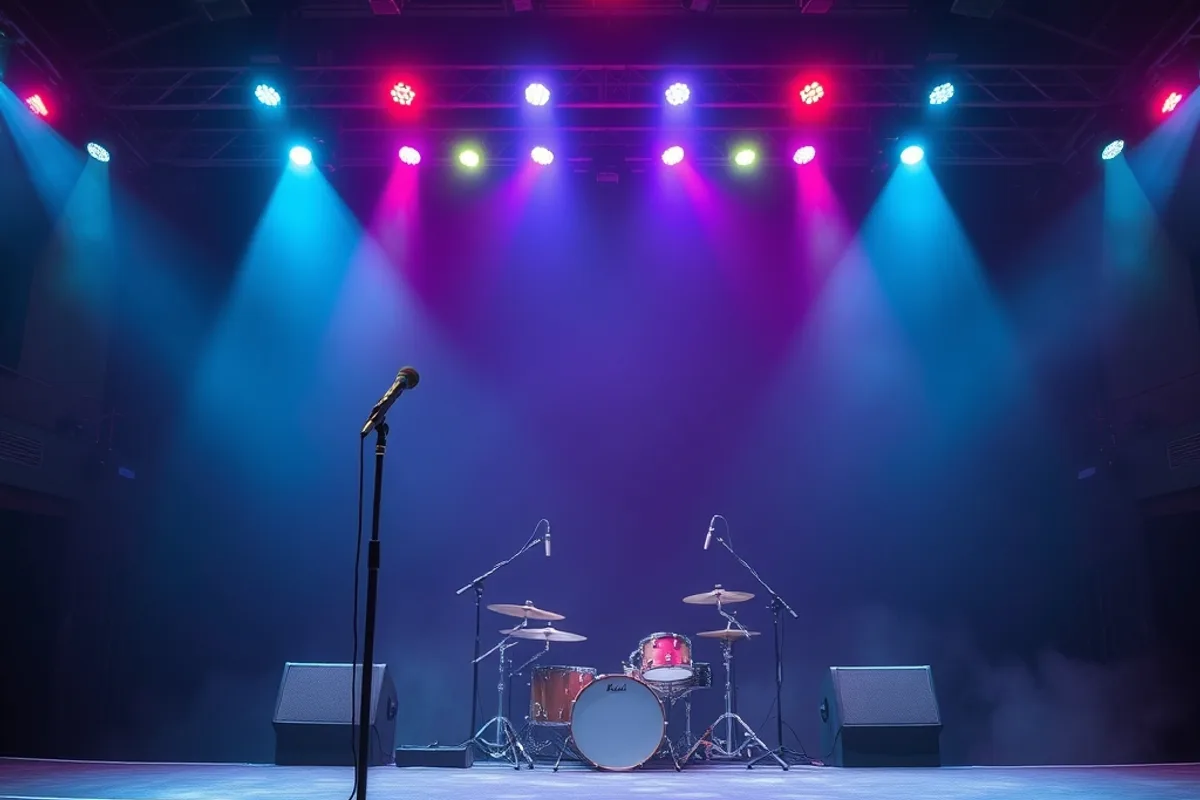
Also see our guide to reading a stage before a live shoot for a deeper comparison.

Light is a compositional tool
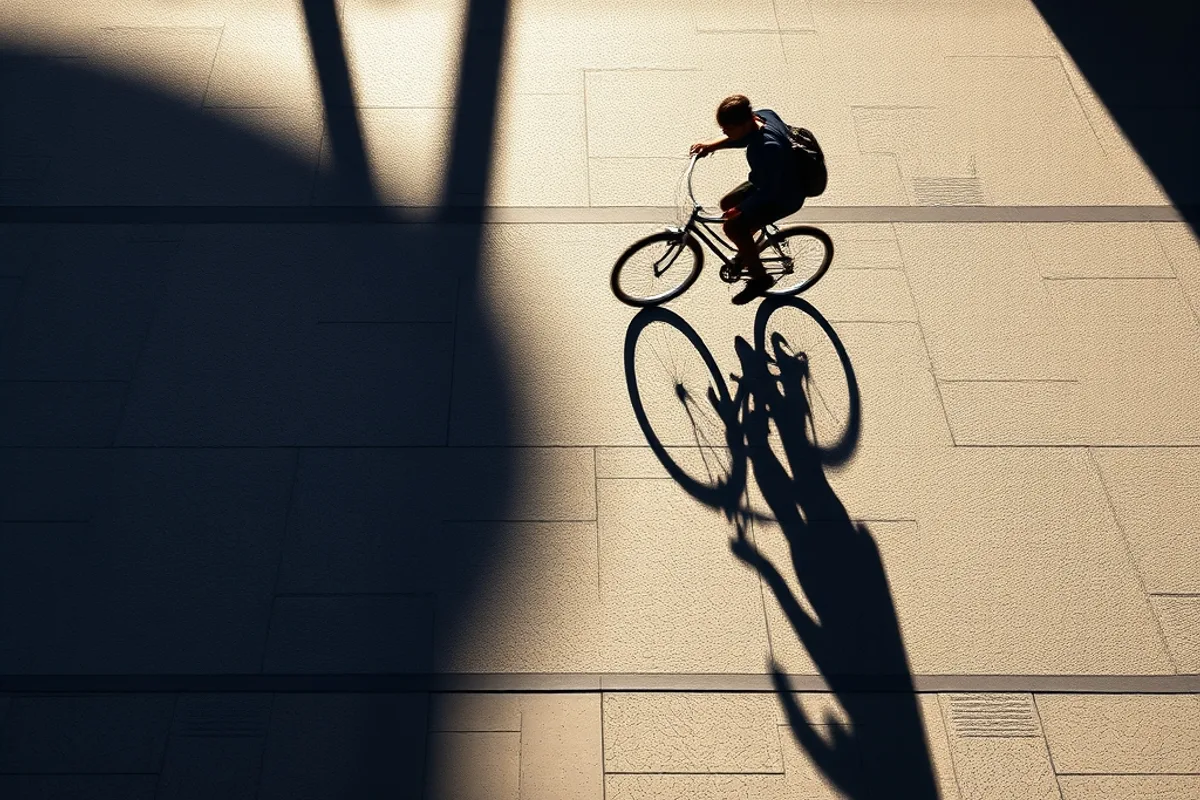
Bright areas attract the eye before detail does. Place your subject in the brightest part of the frame, or use a dark surround to make a mid-tone subject stand out. This is why a person against a shaded wall can dominate an image even when they occupy a small part of it.
Look for pools of light on pavements, reflections in windows and bands of shadow across a wall. These patterns create structure without adding objects. Waiting for someone to walk into a pool of light is often more effective than directing a pose, and it keeps the scene honest.
Background: the principles of photographic composition.
Practise with constraints
Constraints train the eye faster than unlimited choice. Spend a walk with one focal length, or shoot only in a square crop, or make ten frames without moving your feet. Each restriction forces you to solve the picture with position and timing rather than more gear.
Another useful exercise is the one-subject rule: every frame must contain one clear subject and no more than two supporting elements. It feels severe at first, but it builds the habit of editing in camera. After a few weeks, you will start seeing cleaner frames before you lift the camera.
Edit for the subject you chose
Composition continues in editing. Cropping can remove a distracting edge, but it cannot invent a subject. Use crop to strengthen a decision you already made, not to rescue a frame with no point. If the subject is unclear after cropping, the original needed a different position, not a different slider.
Keep the edit quiet. Lift shadows enough to read the subject, control highlights and add a little contrast. A composition that depends on heavy vignetting or fake blur is usually hiding a weak arrangement. The strongest images look simple because the decisions were made early, in the field, with both feet.
- Name the subject in one word before shooting; if you cannot, simplify the scene.
- Off-centre placement creates tension, while centred symmetry can be equally deliberate.
- Check frame edges for bright patches and stray objects before every shot.
- A simple, slightly darker foreground adds depth without competing with the subject.
- One focal length for a whole walk is the fastest composition exercise.