Music & Photography: Where Sound Meets Image
Some images exist to carry a sound. This section explores concert photography, artist portraits and album artwork, and the craft decisions behind pictures that feel like records. Every story below is reported and edited by our team, with context, practical detail and primary sources you can follow.
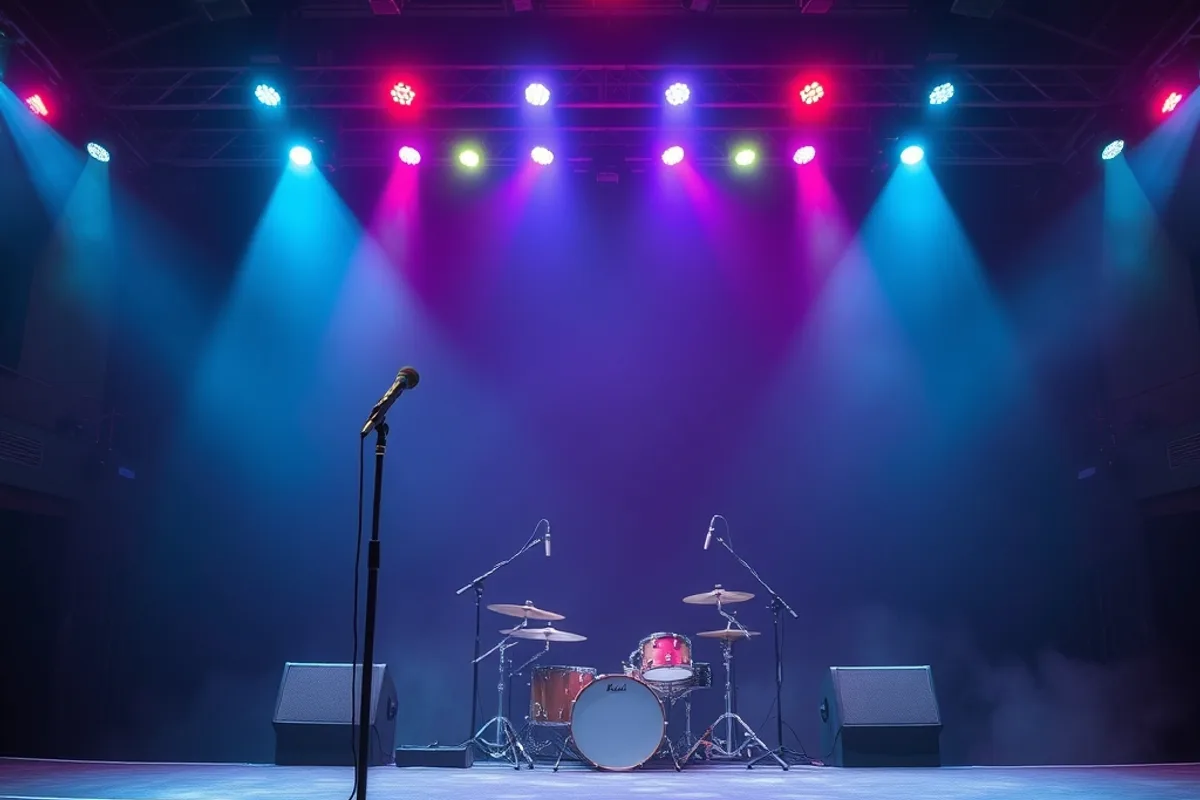
Shooting Live Music: How to Read a Stage Before You Raise the Camera
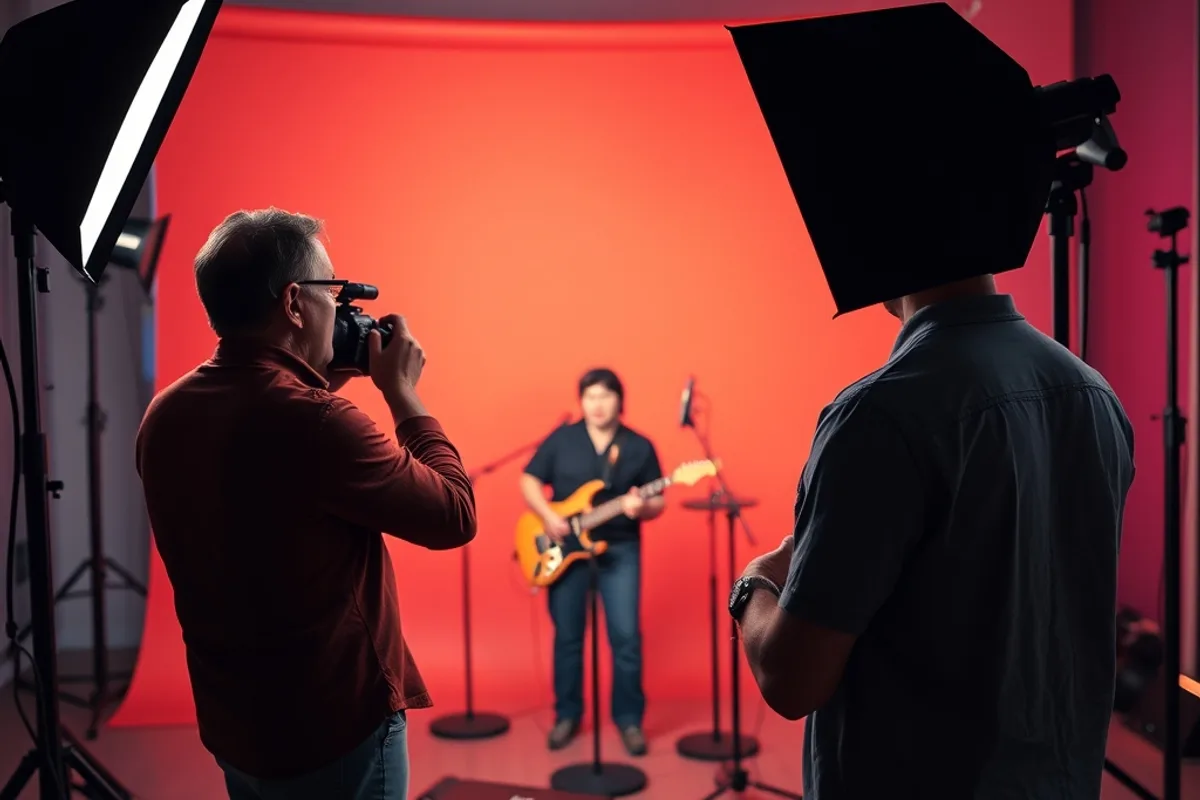
Album Art as Craft: Building Images That Sound Like the Record
How we report on music & photography
Each music & photography story follows the same routine: a clear question, at least two interviews or first-hand visits, and a check of every factual claim against a primary source. We name the people we spoke to, link the references we used and correct errors in public when we find them.
How to get the most from music & photography
Start with the decision you are actually facing, whether that is which lens to carry, how to light a small stage or how to finish a file for print. Our stories are written to be useful before and after the purchase, and the two below cover different sides of the same subject. Read both Shooting Live Music and Album Art as Craft for the full picture.
When this subject matters most
Live seasons cluster around festival months, and album campaigns usually begin weeks before a release. That gives photographers a short, predictable window to pitch artists and labels. Venue access is easier to arrange for smaller shows, where a direct message can reach the promoter. Always confirm credentials, image usage and credit expectations in writing before the night. Background: the craft of concert photography.
What our editors found in 2026
Shooting Live Music: Concert photography is usually taught as a settings problem. In practice it is a reading problem. The photographers who come back with strong frames understand the lighting plot, the performance and the room before the first note. This guide explains how to prepare, what to set and when to stop shooting.
Album Art as Craft: A cover is a translation. It has to suggest the record inside without illustrating it literally, and it has to work at 3000 pixels and at 300. We spoke to designers and photographers about how a strong cover is briefed, shot and finished, and where the process usually goes wrong.
A concert photograph has to do two jobs at once: report the performance and translate its atmosphere. That means capturing a recognisable moment while preserving the mood of the room. The best frames often come from anticipation rather than technical perfection, which is why reading the stage matters more than owning the fastest lens.
Album artwork is a different discipline with the same root. It has to suggest the record without illustrating it literally, and it has to survive being reproduced at every size from a thumbnail to a vinyl sleeve. We look at how the brief was written, how the image was shot and how typography and colour were decided. A cover that feels inevitable is usually the result of many rejected options.
Across both, access is a relationship. Photographers depend on promoters, artists and venues trusting them to behave professionally. That means respecting shot limits, staying out of sightlines, crediting correctly and not inventing a story the image cannot support. The craft is visual, but the career is built on reliability.
Common questions about music & photography
How do I get access to shoot a concert? Contact the promoter or the artist’s team with a short pitch, a portfolio and a clear plan. Smaller venues are more approachable, and a reliable local reputation opens more doors than a large following.
What settings work best for live music? Start near 1/250 second with a wide aperture and an ISO high enough to expose the lit face. Use manual exposure and continuous autofocus, then adjust rather than relying on automatic metering.
Can I use a phone for concert photos? Yes, especially in small rooms where a dedicated camera may be unwelcome. Keep the phone steady, avoid flash and expose for the performer. The best camera is the one you are allowed to bring in.