Shooting Live Music: How to Read a Stage Before You Raise the Camera
Concert photography is usually taught as a settings problem. In practice it is a reading problem. The photographers who come back with strong frames understand the lighting plot, the performance and the room before the first note. This guide explains how to prepare, what to set and when to stop shooting.
Scout the room before doors
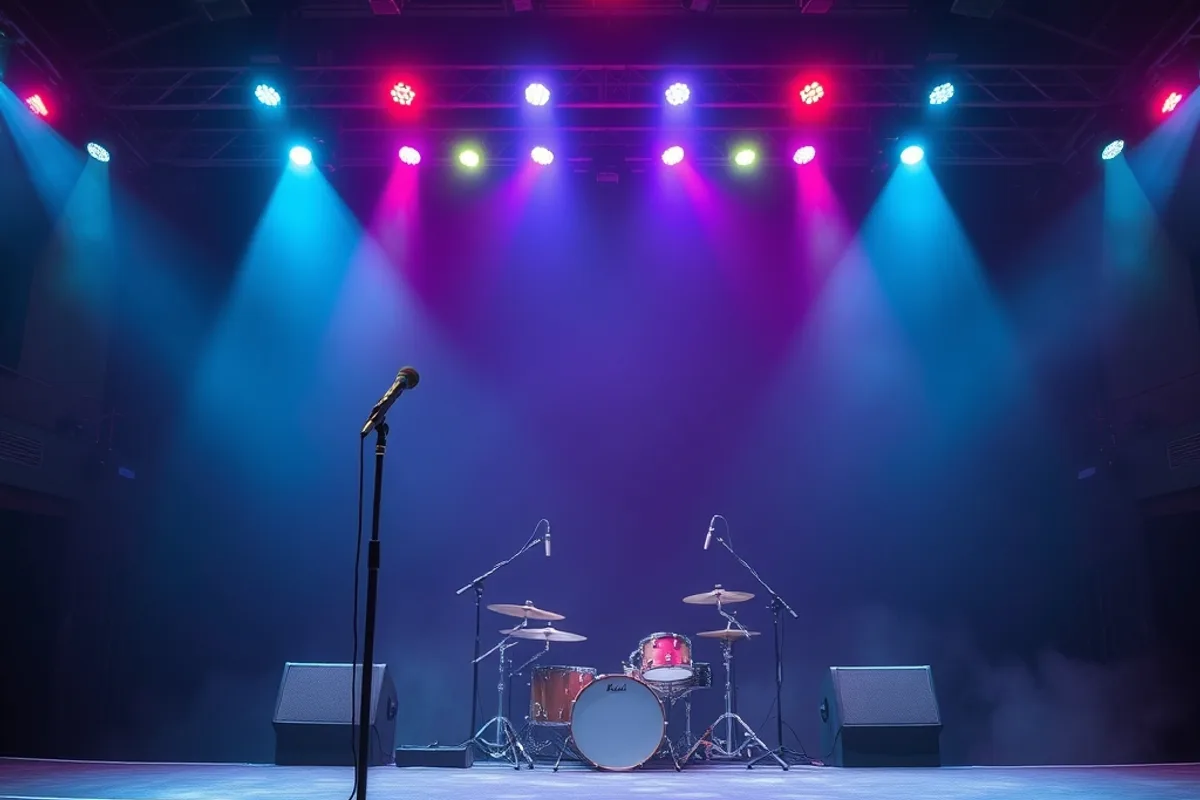
Arrive early enough to see the stage without an audience. Note where the lighting rigs point, which side of the stage is brightest and whether there is a barricade or a clear front row. Look for reflective surfaces and background clutter that will appear behind the artist from each possible position.
Ask the house photographer or tour manager about the first-three-songs rule and any restrictions on flash. Respect them precisely. Access is a relationship, and a photographer who follows the brief gets invited back. If there is no brief, stay out of the sightlines and never block the audience.
Learn the lighting plot
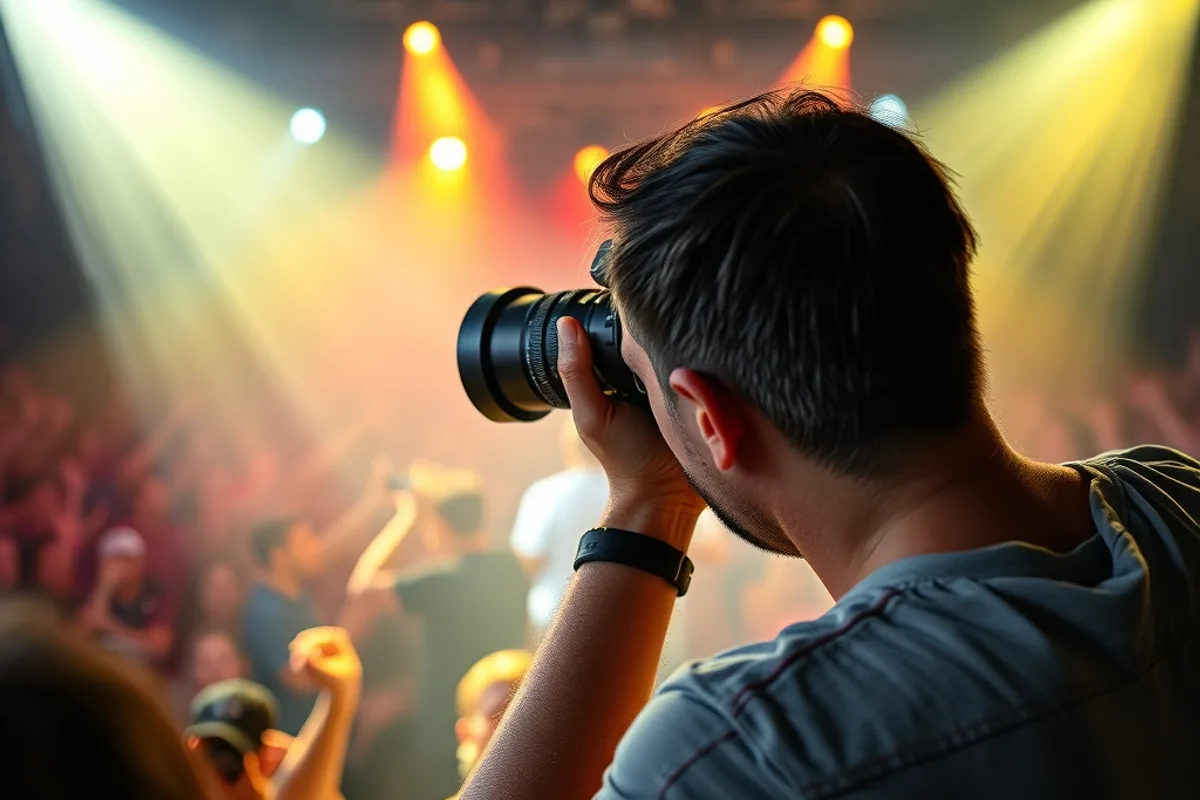
Most shows use a handful of colours and positions: a warm wash from the front, a cool backlight, maybe a sidelight for shape. Watch the first song to learn the pattern. Once you know when the backlight hits, you can position yourself before the moment rather than chase it after.
Automatic exposure will be fooled by a dark stage and a bright spotlight. Set manual exposure for the lit face and let the background fall where it may. Check the histogram after a few frames, then leave it alone. Consistency in exposure makes editing a sequence far easier.
Related reading: a practical guide to golden hour pairs well with Golden Hour Without Guesswork.
Settings that survive the chaos
Start around 1/250 second to freeze movement, an aperture wide enough to gather light and an ISO high enough to keep the exposure. Modern sensors handle high ISO well, and a sharp noisy frame beats a clean blurry one. If the artist is still, drop to 1/125 for cleaner files.
Use continuous autofocus with subject detection if your camera has it, and choose the focus area deliberately. In dark venues, a single point on the face is often more reliable than a wide zone. Burst briefly at peaks rather than holding the shutter for a whole chorus, which fills cards and flattens your attention.
Shoot just before the peak, not after it. Three timed frames beat a hundred random ones.
Move with the performance
The best frames usually come from anticipation. Watch the singer's breathing, the guitarist's wind-up, the drummer's shoulder. Shoot just before the peak, not after it. Three or four well-timed frames are worth more than a hundred random ones.
Change height and angle between songs, not during them. A low angle through the crowd can feel intimate; a side angle shows the relationship between musicians. Protect your ears and your gear, and keep one eye on the room so you do not back into a monitor or a security guard.
Also see our guide to how independent venues are adapting for a deeper comparison.
Expose for skin, not the lights
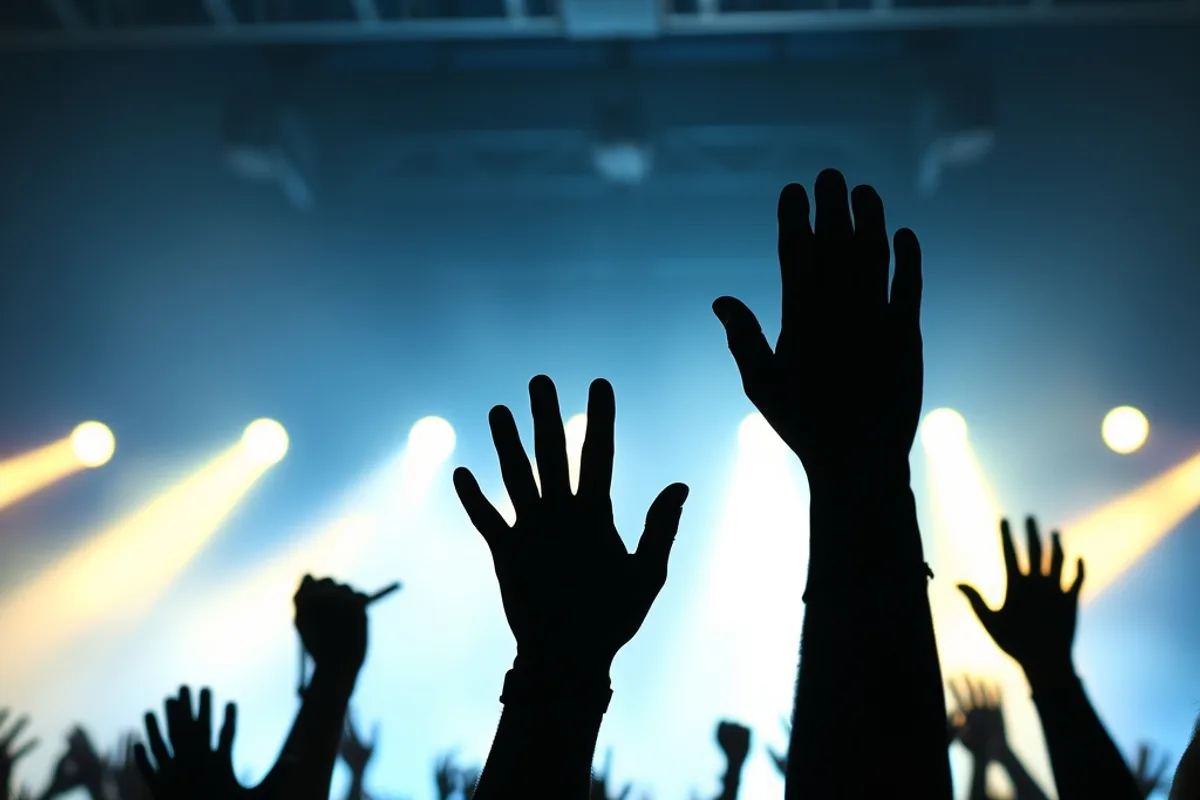
Stage lighting is designed to look dramatic, not photographically neutral. A face lit by a deep blue wash will never look natural, and trying to correct it kills the atmosphere. Instead, expose so the skin retains detail and accept the colour as part of the performance.
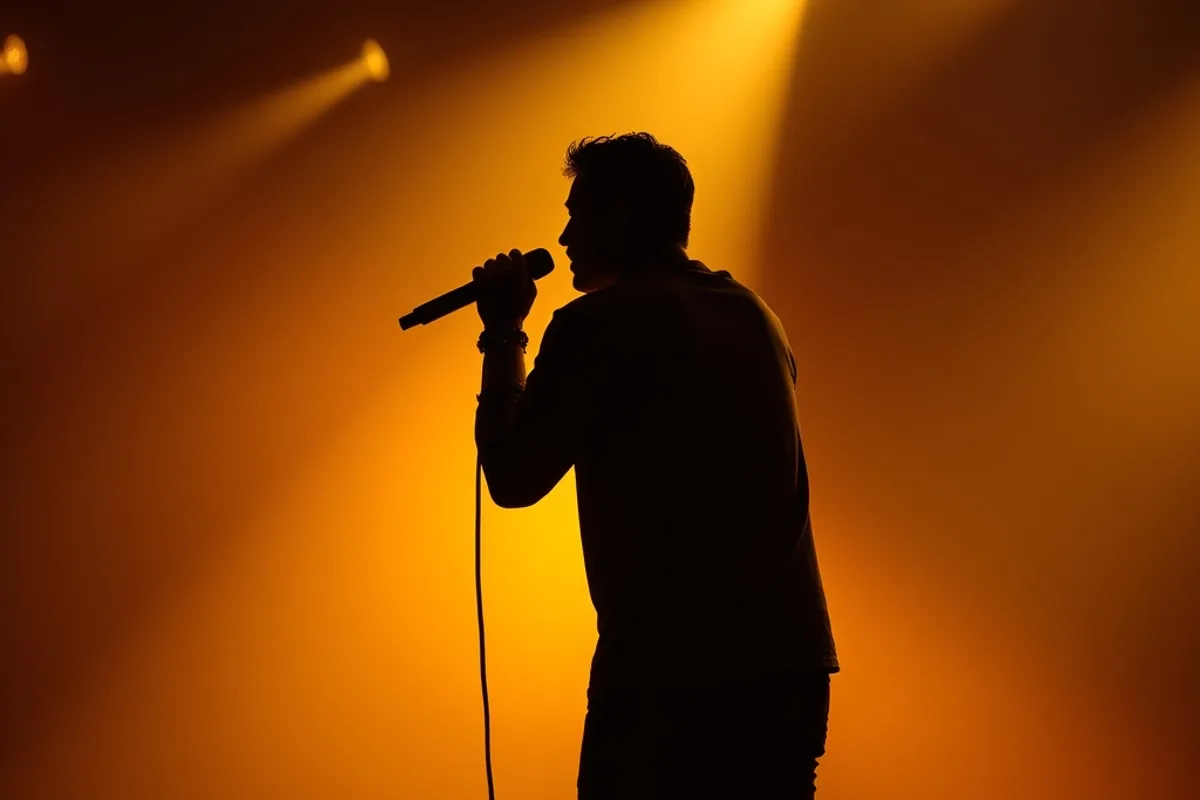
When a warm front light appears, use it. Those few seconds often produce the most usable portraits of the night. If the artist is backlit, expose for the rim and let the face fall into shadow. A silhouette with a clear gesture can be stronger than a fully lit frame.
Background: the craft of concert photography.
Edit a sequence, not a pile
Cull hard and quickly. Remove technical failures first, then duplicates, then anything that does not add a new moment. A tight set of twelve images should show the venue, the crowd, the performance and a closing frame. If two pictures say the same thing, keep the stronger one.
Keep edits restrained. Lift shadows enough to read the artist, control the brightest lights and leave the colour largely intact. Heavy noise reduction turns skin waxy, and aggressive clarity makes sweat look like plastic. A little grain is honest and often more flattering than a sterile file.
The ethics of the pit
A concert is a workplace for the artist and a night out for the audience. Do not block views for long, do not use flash without permission and do not photograph people in distress. If someone asks you to delete a photo of them, listen. Being right about the law is not the same as being decent.
Publish credits and context accurately. Name the venue, the tour and the photographer, and avoid captions that invent a story the image does not show. The photographs that last are the ones that respect the room they came from, and that respect is why photographers keep getting access.
- Scout the stage and lighting before doors, and confirm the venue photo policy.
- Set manual exposure for the lit face and ignore automatic metering on a dark stage.
- Start near 1/250 second; a sharp noisy frame beats a clean blurry one.
- Single-point autofocus on the face is often more reliable in dark venues.
- Cull to a tight sequence of about twelve images that each add a new moment.