The Quiet Return of Analogue Craft in a Digital Art World
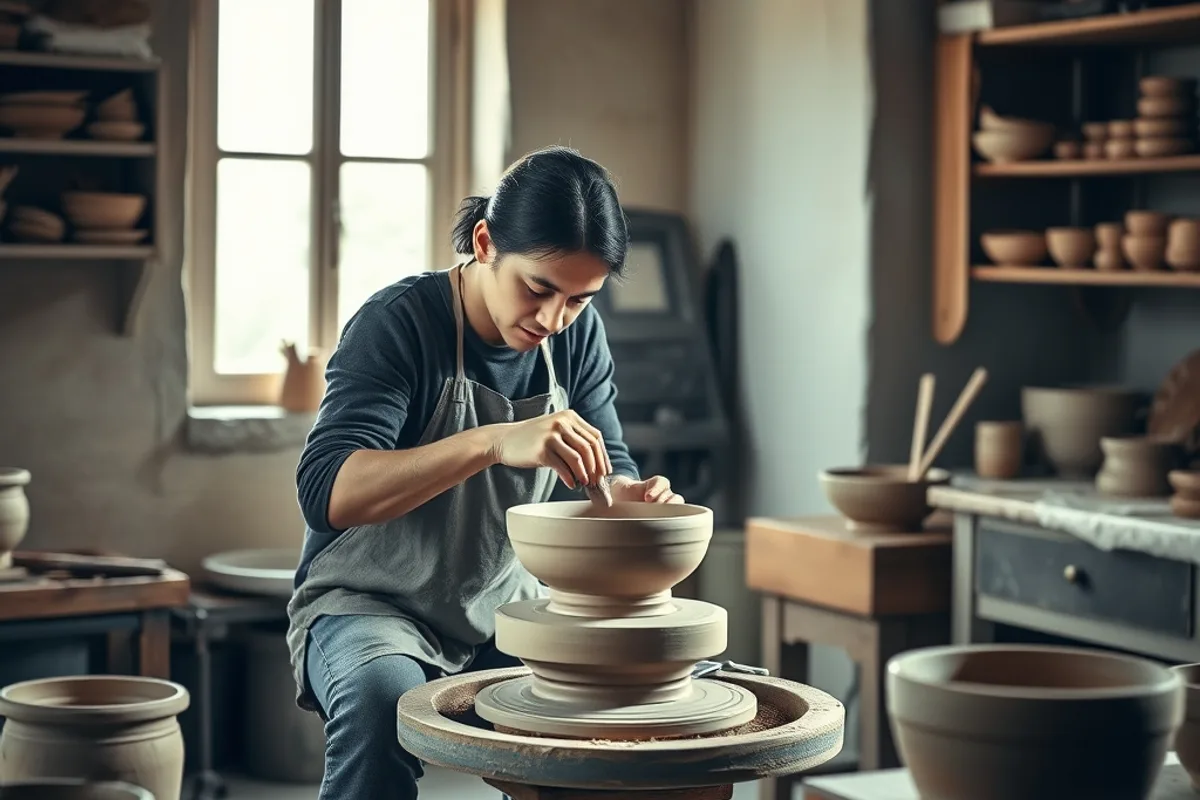
In a year when almost every image can be generated in seconds, a growing number of makers are choosing slower materials. We spent six weeks visiting ceramic studios, community darkrooms and bookbinders to understand what the return to analogue craft actually offers, and where the romance runs ahead of the reality.
Why analogue craft is returning now
The first explanation is fatigue. After a decade of screens, many makers describe a simple desire to work with something that resists them: clay that slumps, paper that tears, chemistry that needs the right temperature. The resistance is not a bug. It slows the decision-making down and makes the result feel earned rather than exported.
The second explanation is social. Workshops are full because people want to learn beside other people, not from a tutorial alone. A shared darkroom or a weekly ceramics session creates a rhythm that a subscription library cannot. In 2026 the strongest analogue spaces are not nostalgic museums; they are working classrooms with waiting lists.
What the new studios actually make
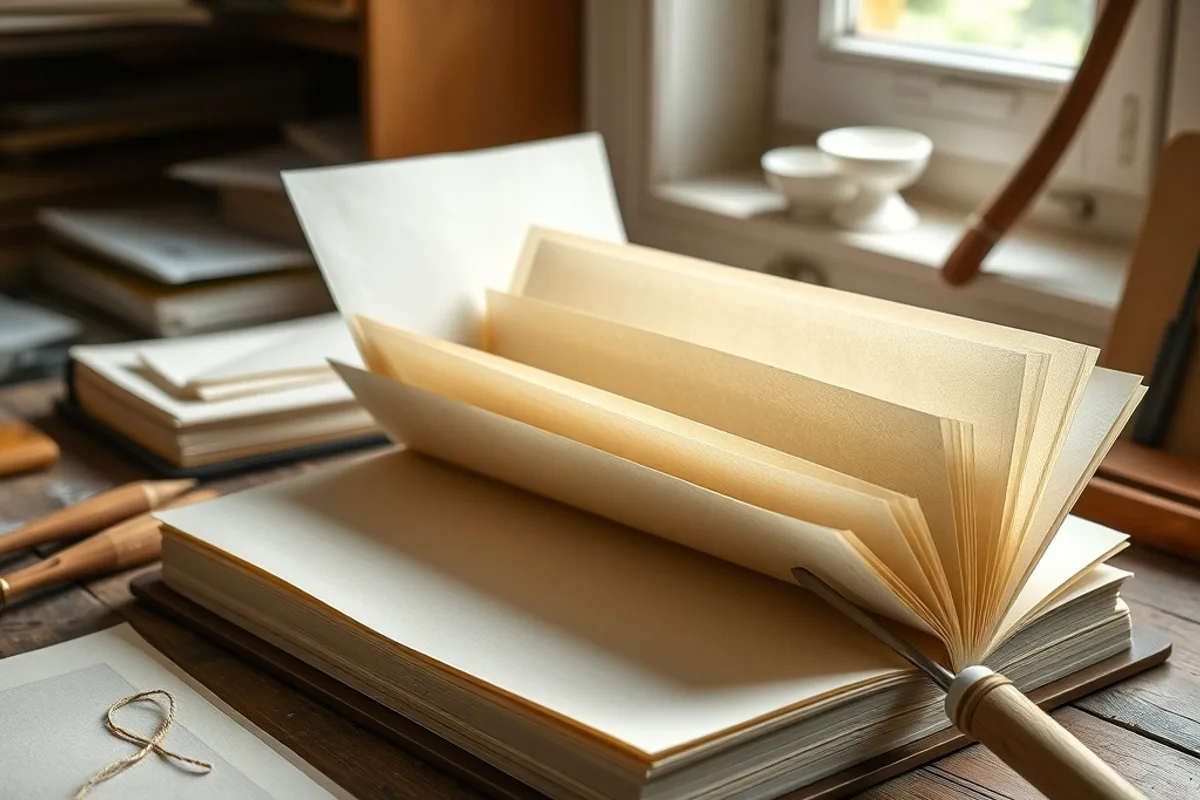
The work coming out of these studios is rarely a reproduction of the past. A ceramist we visited pairs hand-thrown forms with digitally printed decals. A bookbinder uses a laser cutter for covers and folds every signature by hand. The analogue element is chosen for touch and imperfection, while the digital element handles repetition and precision.
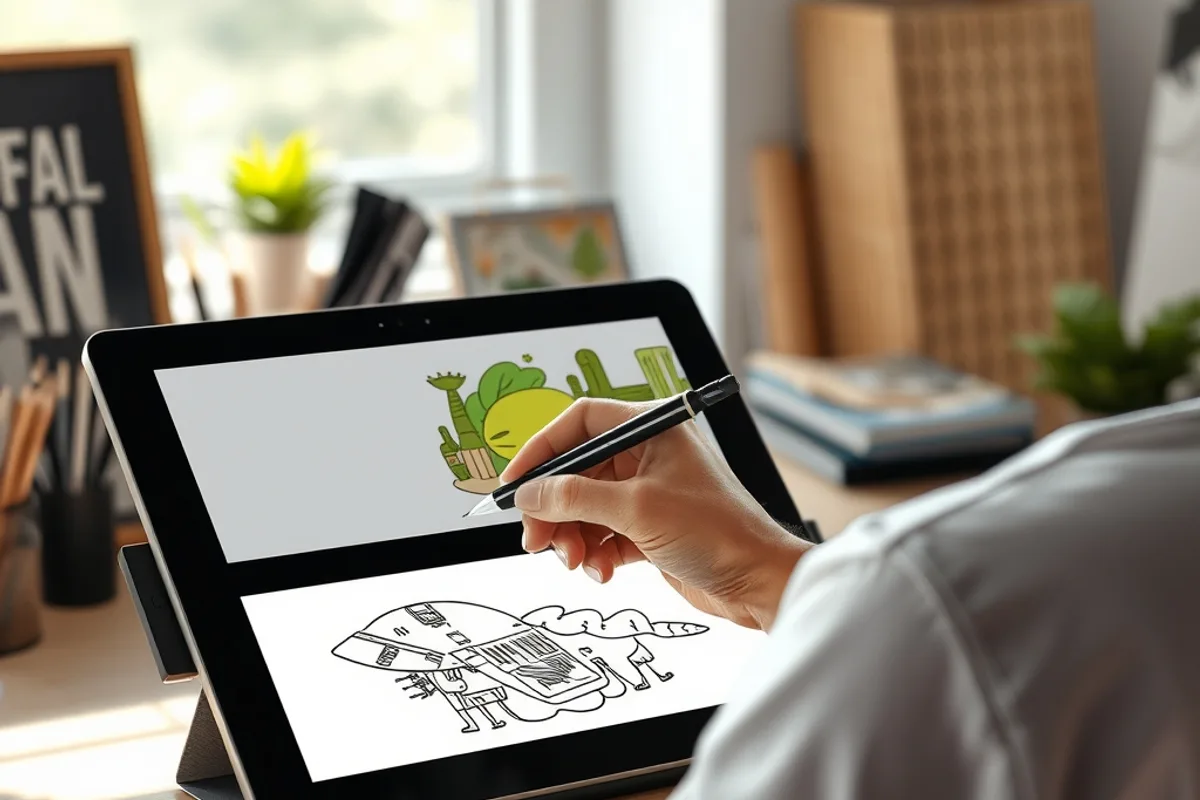
That combination is the real story. Makers are not rejecting their computers; they are assigning each tool a different job. The result is a hybrid practice that looks handmade because the decisions were handmade, even when a machine cut the parts. Buyers increasingly ask which parts were made by hand, and good studios answer without defensiveness.
Related reading: how small museums are rethinking public art pairs well with How Small Museums Are Rewriting the Rules of Public Art.
The economics of slow work
Slow work is expensive, and pretending otherwise helps nobody. A hand-built ceramic vessel can take three weeks from throwing to final firing, and a kiln run costs money whether or not every piece survives. A bound book may consume eight hours before the cover is attached. These hours have to appear in the price or the maker subsidises the buyer.
The studios that last tend to separate teaching from production. Classes pay the rent, while a small edition of finished work carries the reputation. That model also protects quality: a maker who depends on every sale to pay for clay starts rushing the very steps that made the work worth buying in the first place.

The resistance is the point. Clay does not care how good your idea was on screen.
Learning curves and access
Analogue craft is often described as more accessible than digital work, which is only half true. The tools are cheap to try and expensive to own. A first ceramics class might cost the price of a good lens; a home darkroom needs space, ventilation and a water supply that many flats cannot offer.
Community studios solve part of the problem by sharing the expensive parts. The catch is scheduling. Members compete for kiln space and darkroom hours, and beginners often discover that the bottleneck is not talent but access. Before signing up for a long course, ask how many hours of bench time the fee actually includes.
Also see our guide to building a digital painting workflow for a deeper comparison.
What buyers are looking for
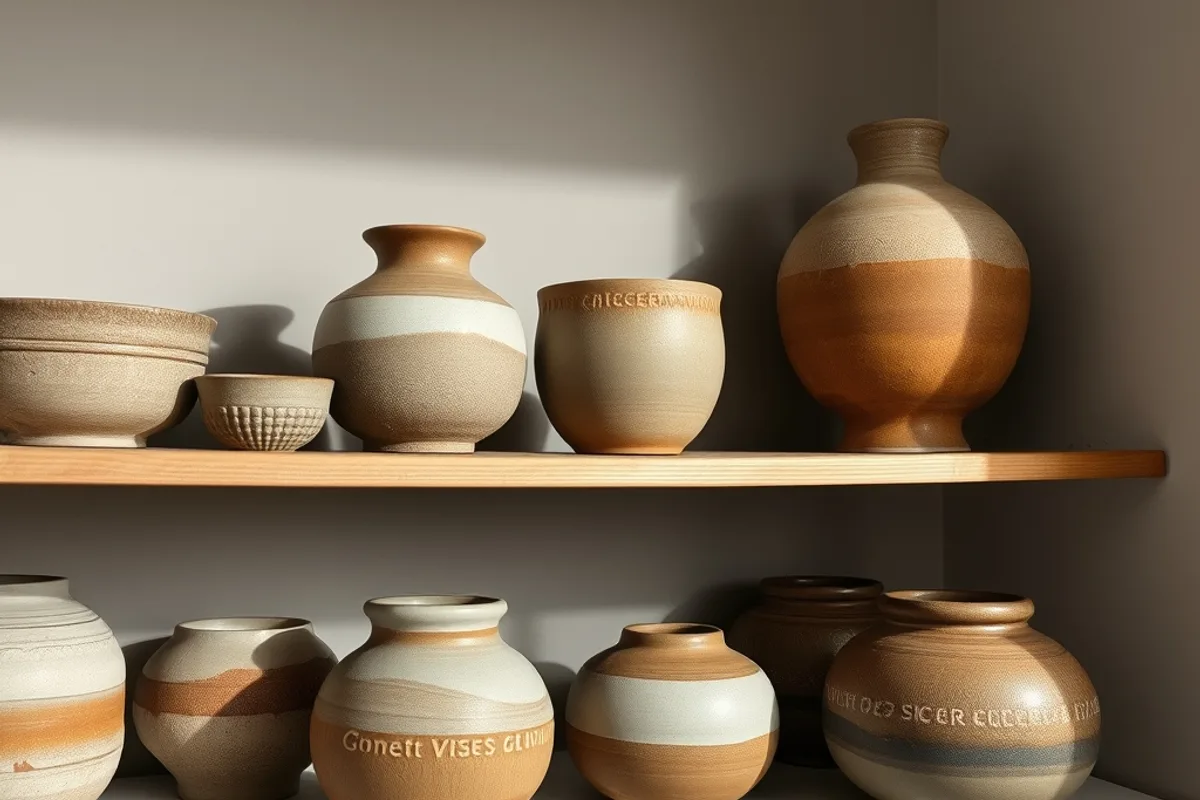
Collectors at this level are not chasing investment returns. They are buying evidence of a decision: a glaze that broke differently from the test tile, a page that sits slightly proud because it was folded by hand. That evidence is difficult to fake and easy to overstate, which is why documentation matters.
The most credible studios now photograph the process and keep material notes. If a piece is sold as wood-fired, the buyer can see the kiln. If a paper is described as cotton rag, the receipt is available. Transparency has become part of the craft, not a marketing extra.
Background: the history of the studio craft movement.
Where digital and analogue meet
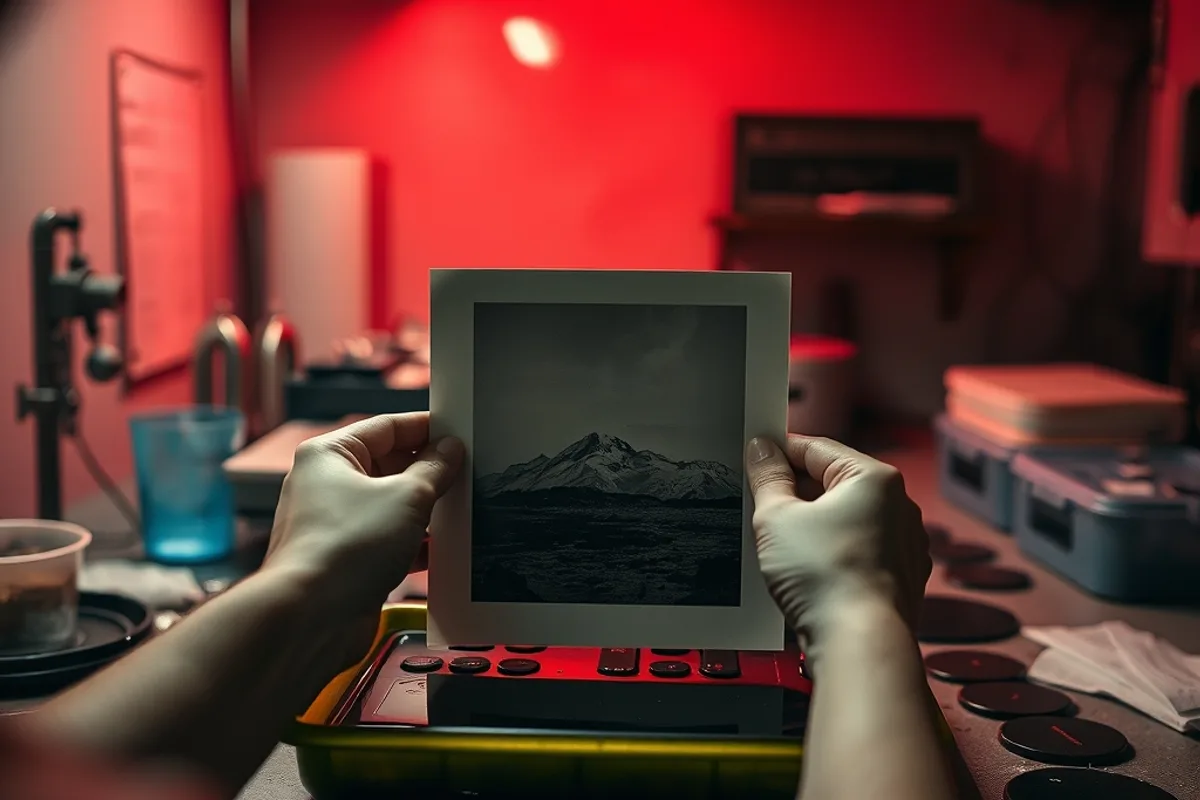
The most interesting work treats the two worlds as one workflow. A photographer might shoot digital proofs, print a negative, then scan the final print for an edition. A textile artist might draw a pattern by hand and send it to a small mill for sampling. The line between the methods matters less than the intention behind each step.
This blending also creates new jobs. Studios need people who can colour-manage a scan as carefully as they wedge clay. The hybrid maker is not a dabbler; they are a technician with a point of view, and that combination is becoming the most employable profile in small creative businesses.
How to start without the romance
Start with one material and a short course, not a fully equipped studio. Give yourself a fixed number of sessions to decide whether the process suits your temperament. Analogue work rewards patience but punishes disorganisation, so test whether you enjoy the setup and cleanup as much as the finished object.
Then buy used tools from people who stopped. Kilns, presses and enlargers lose value quickly and are often sold with accessories that would cost more separately. Finally, keep a simple log of what you fired, printed or bound, including the failures. In slow craft, the notebook is the most valuable piece of equipment you will own.
- Analogue studios in our sample reported 20 to 40 percent more workshop bookings than in 2024.
- Most working makers combine digital tools with hand processes rather than rejecting either.
- Kiln and darkroom access, not talent, is the most common barrier for beginners.
- Buyers increasingly ask for process documentation before committing to a piece.
- A short course and used equipment cost far less than building a home studio first.