How Small Museums Are Rewriting the Rules of Public Art
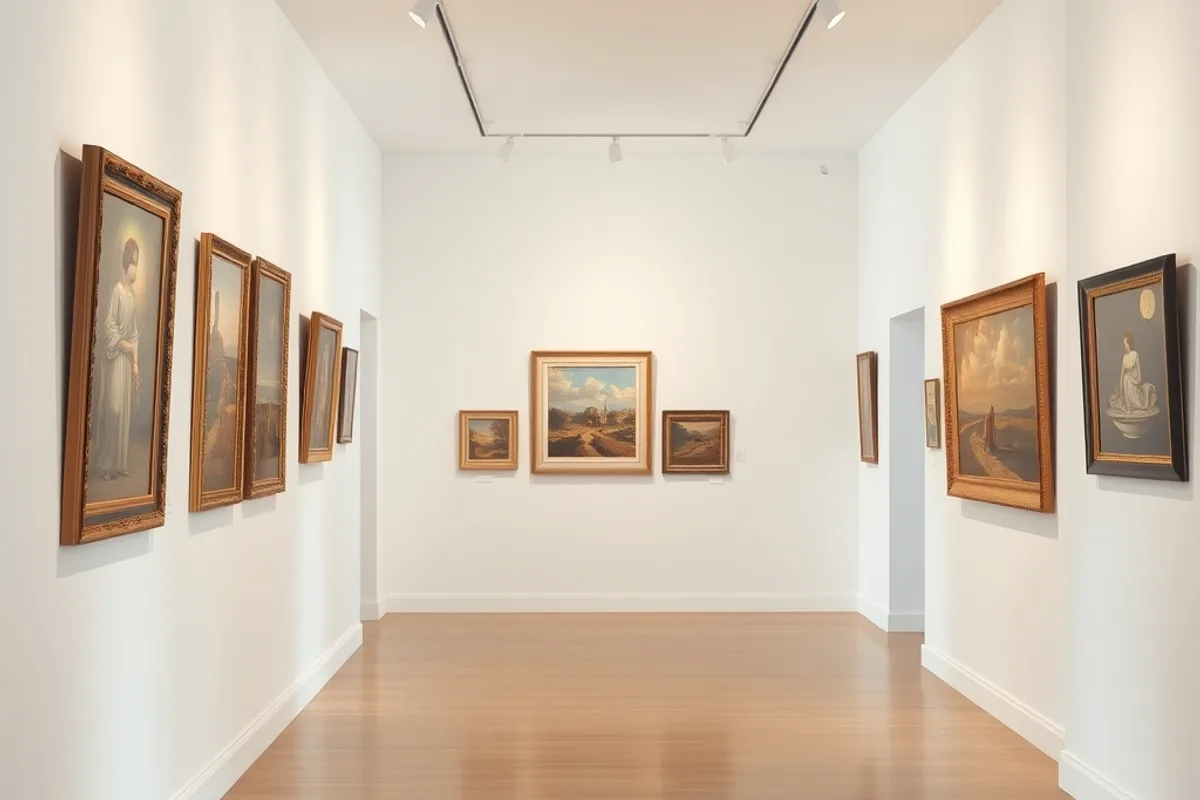
The most interesting museum experiments in 2026 are not happening in grand capitals. They are happening in regional galleries with modest budgets, where free entry, local partnerships and long-term loans are changing who walks through the door. We visited four institutions to see what the new model achieves and where it still falls short.
The pressure behind the experiments
Small museums face a familiar squeeze. Building costs rise, touring exhibitions are expensive, and public funding is rarely predictable beyond a single year. At the same time, visitors expect more than a quiet room of objects. They want context, events and a reason to return, and they compare every experience with the free content on their phones.
The institutions that are adapting have stopped trying to imitate large museums. Instead of chasing blockbuster shows, they build programmes around their own collections and the knowledge already present in their towns. That shift sounds modest, but it changes everything from the wall text to the opening hours.
Free entry changes the conversation
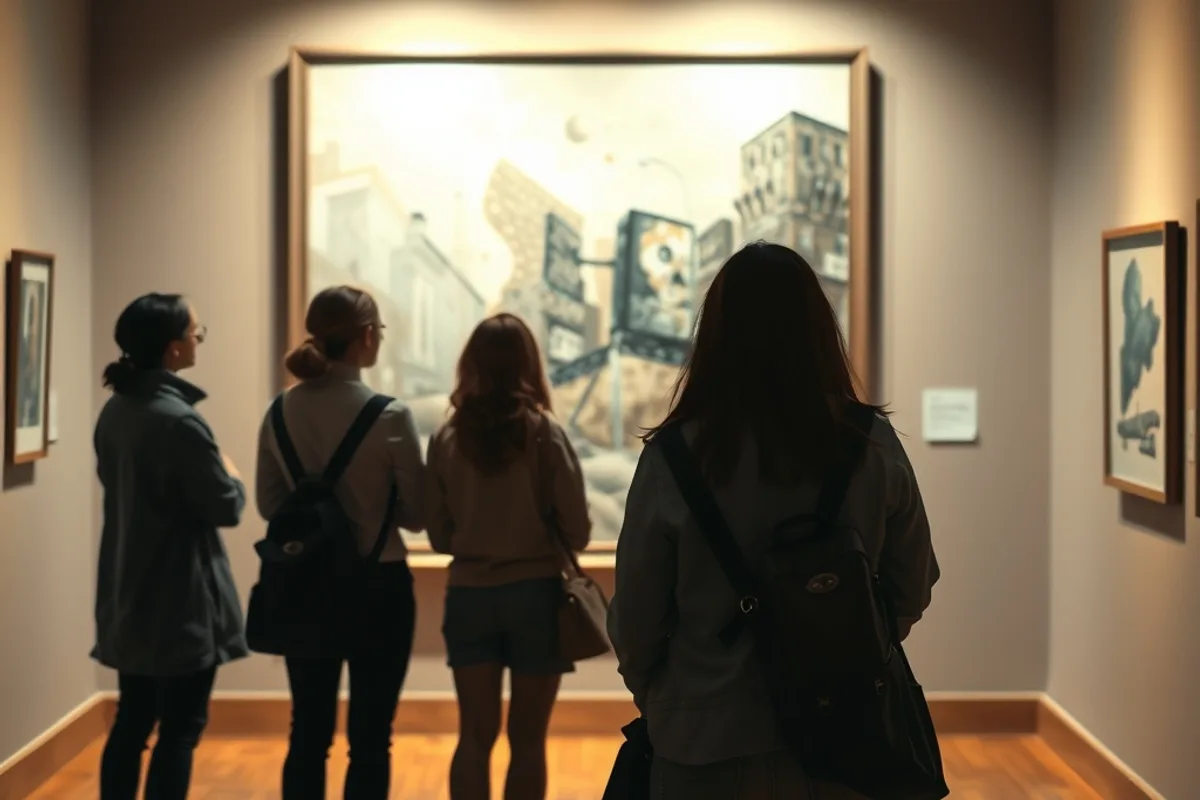
Several smaller museums in our sample moved to free general entry and introduced a voluntary donation at the door. The immediate effect was not a flood of new visitors but a change in behaviour: people dropped in for twenty minutes, then came back. Short visits became normal, and the shop sold more because the pressure to justify a ticket had gone.
The financial picture is less romantic. Donations rarely replace ticket income in the first year, and the gap has to be covered by grants or sponsors. Free entry works best when it is part of a wider funding plan, not a gesture announced without a budget line behind it.
Related reading: why analogue craft is returning to the studio pairs well with The Quiet Return of Analogue Craft in a Digital Art World.
Neighbourhood partnerships that stick
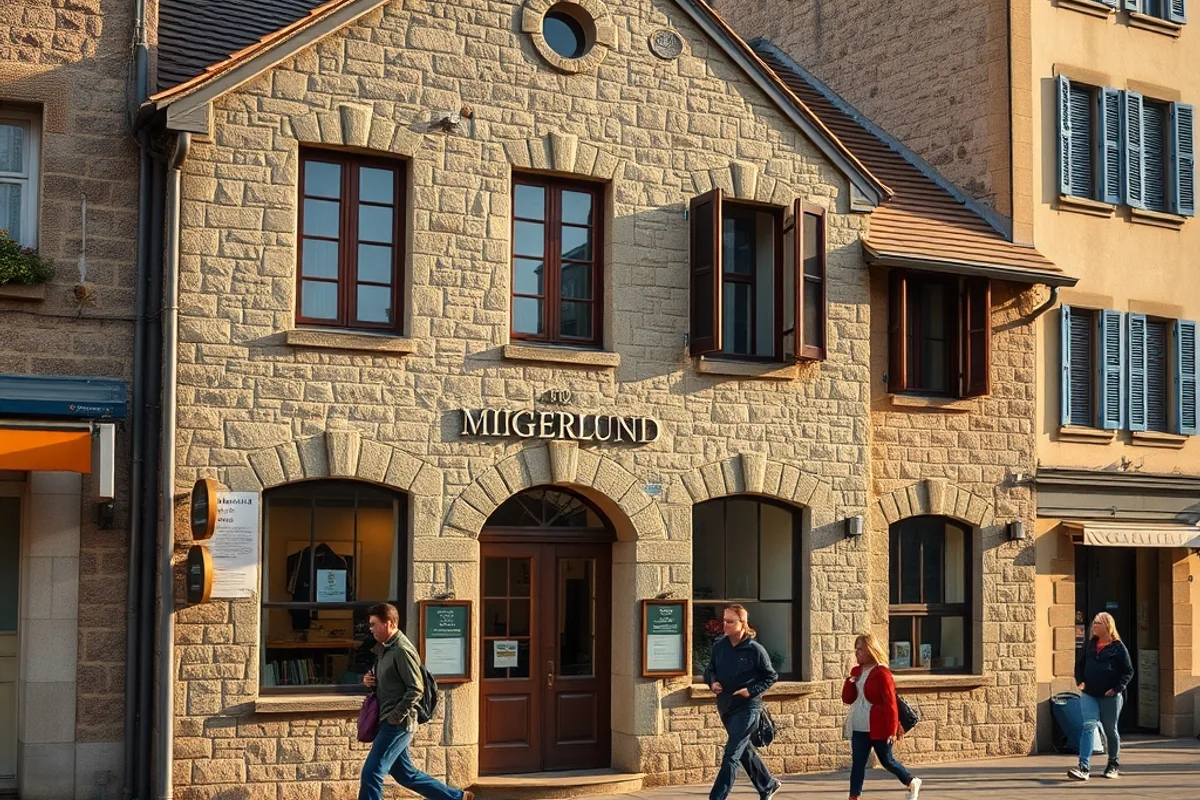
The strongest programmes we saw were built with nearby schools, libraries and community groups rather than for them. A regional gallery lent works to a library for a season and ran a reading group beside them. A small city museum invited local collectors to explain their own objects on a Saturday afternoon, which brought in neighbours who had never crossed the threshold.
These partnerships take time and are difficult to measure in visitor numbers. Their value shows up later, in repeat attendance and in the willingness of local organisations to defend the museum when budgets are reviewed. A partnership that only exists for a press release tends to disappear just as quickly.
A bench in the right place can change a room more than a new wing ever will.
The long loan question
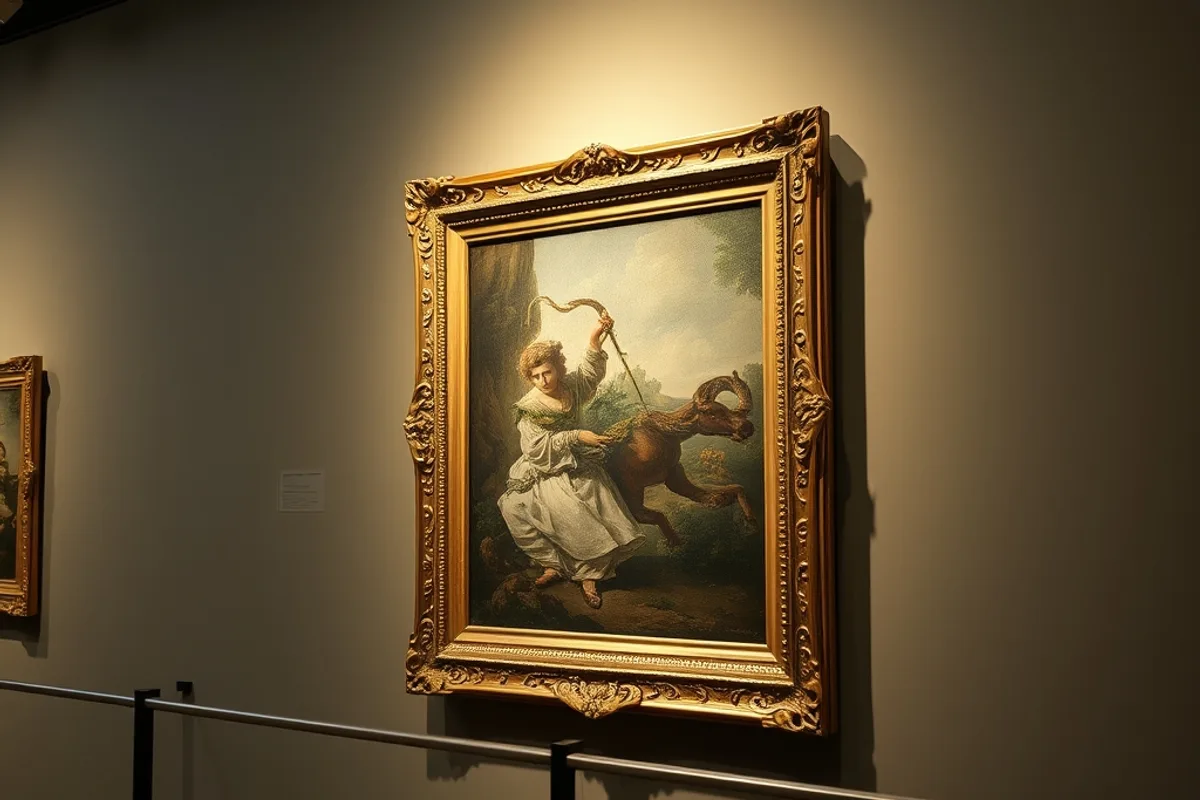
Long-term loans from national collections have given small museums access to serious work without acquisition budgets. The arrangement can be transformative: a single borrowed painting can anchor an entire room and draw visitors from outside the region. But loans also bring costs that are easy to underestimate, including climate control, security and insurance.
Curators we spoke to were candid about the trade-off. A long loan can lock a room into a narrative for years, limiting the museum's ability to rotate its own collection. The best agreements build in flexibility, review dates and a clear exit, so the borrowed work serves the programme rather than becoming the programme.
Also see our guide to album art as a photographic craft for a deeper comparison.
What visitors notice first
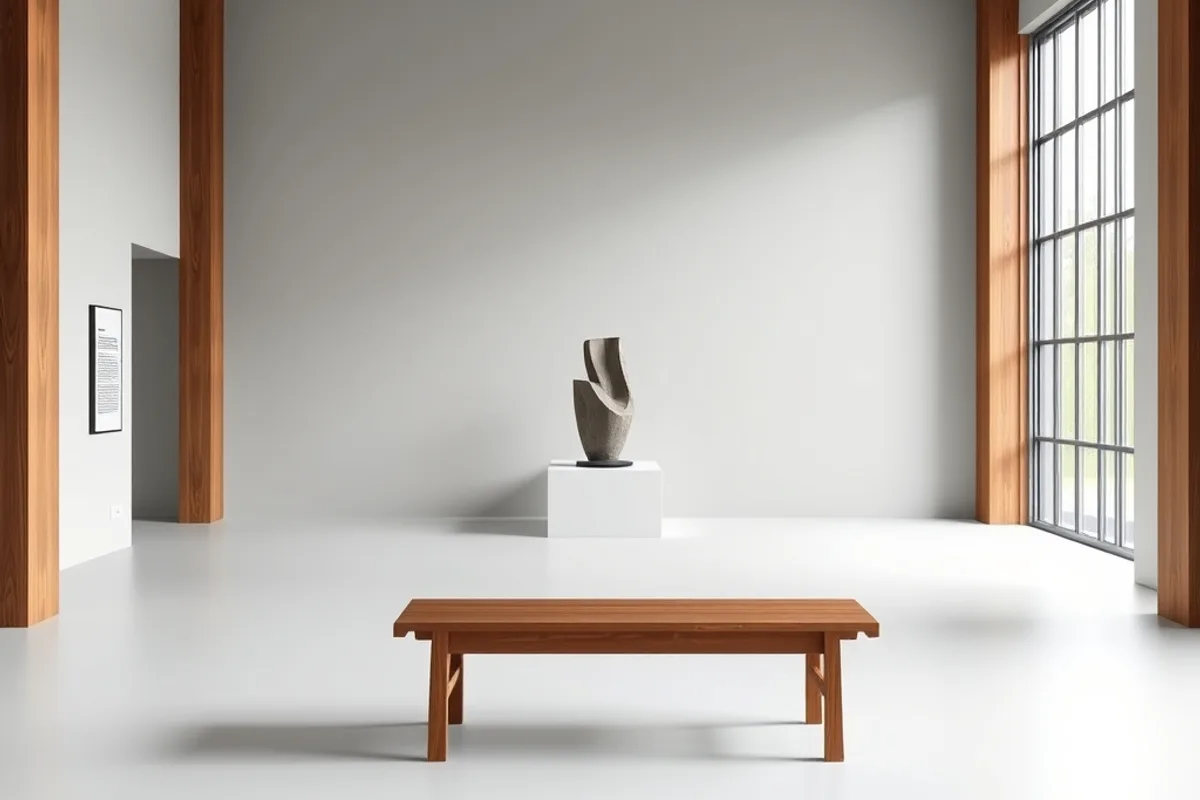
Almost everyone we interviewed mentioned the same details: seating, light and text. A bench in the right place turns a corridor into a room. Glare on a label makes an object feel distant. A paragraph written in plain language invites a second look, while a wall of jargon closes the conversation before it begins.
Small museums have an advantage here because decisions can be made quickly. One gallery replaced every introductory panel in a week after watching visitors skip them. Another moved a single sculpture two metres and doubled the time people spent with it. These are cheap interventions with visible returns, and they matter more than another screen.
Background: how public museums are funded.
The staff problem nobody wants to name
Behind the experiments is a workforce that is often exhausted. Small teams absorb marketing, education, conservation and front-of-house duties, and the same few people appear on every grant application. Burnout is not a side issue; it is the main risk to the model, because a programme built around one curator collapses when that curator leaves.
The institutions that are managing this well pay for administration and protect thinking time. They also document their processes so knowledge stays in the building. A museum that depends on heroic hours is not more authentic than a large one; it is simply more fragile.
What the next five years need
The promising direction is not bigger exhibitions but deeper relationships. That means multi-year funding, paid traineeships and partnerships with clear shared goals. It also means accepting that some experiments will fail and publishing what was learned, because the sector loses more from silence than from honest failure.
For visitors, the practical takeaway is simple. Go to the small museum near you, pay what you can, and tell the staff what worked. Public art is not sustained by a single blockbuster show. It is sustained by the ordinary habit of turning up, and by institutions that make turning up feel worthwhile.
- Free entry increased short repeat visits at three of the four museums we visited.
- Donations did not replace ticket income in the first year at any site in our sample.
- Long-term loans bring climate, security and insurance costs that are often underestimated.
- Plain-language labels and seating were the details visitors mentioned most often.
- Multi-year funding and paid traineeships are the clearest protection against burnout.