The Vinyl Revival Grows Up: What Listeners Actually Buy in 2026
Vinyl is no longer a novelty story. In 2026 it is a mature niche with its own supply problems, pricing debates and collectors. We spoke to record shops, pressing plants and listeners to find out what the growth actually looks like once the headlines fade.
Who is buying records now
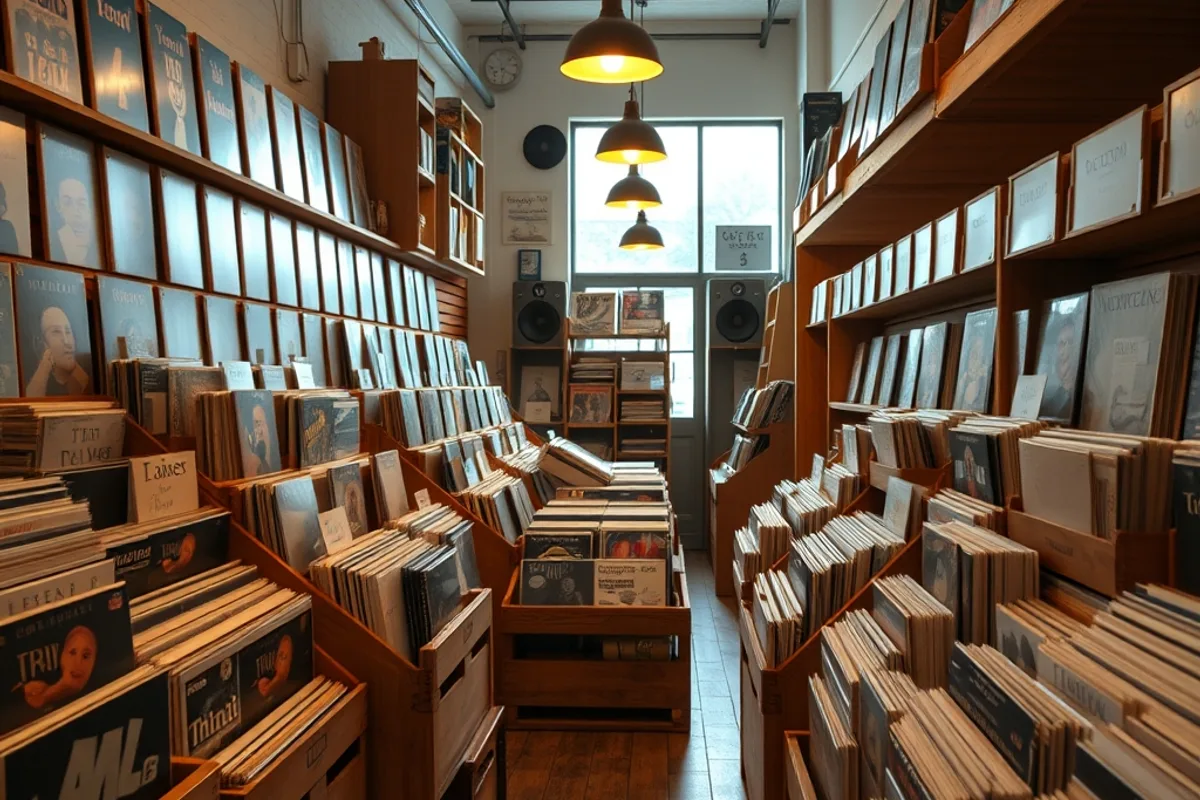
The stereotype of the returning older collector is only partly right. Shops we visited described a split audience: long-time buyers replacing worn copies and younger listeners treating a record as a deliberate purchase rather than a default. The second group often owns fewer records and cares more about the specific edition.
That changes what sells. A standard black pressing of a catalogue album may sit on the shelf while a coloured variant with a booklet moves quickly. The record is functioning as an object with a story, and the story has to be visible before someone picks it up.
The pressing plant bottleneck
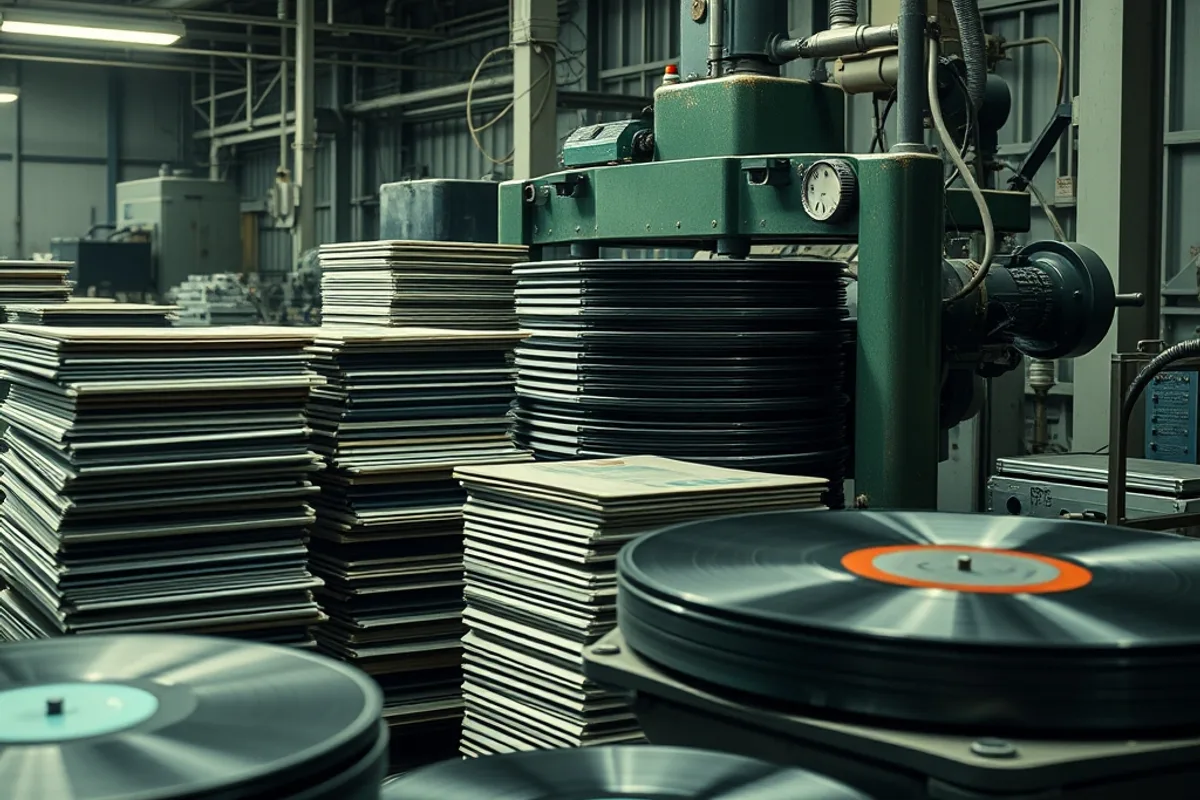
Capacity remains the industry's structural problem. A new plant takes years and serious capital to open, and existing plants are running close to full. Small labels wait months for a slot, which makes release dates unreliable and ties up cash in inventory that has not been manufactured yet.
The result is a market that rewards planning and punishes spontaneity. Labels that book pressing time before the record is finished, or that stagger releases across formats, cope better. Independent artists often choose a short run of 300 to 500 copies, sell them directly, and repress only when demand is proven. It is slower, but it is safer.
Related reading: how independent venues are adapting pairs well with Independent Venues Find a New Rhythm After the Streaming Boom.
Why reissues dominate the shelves
Reissues are everywhere because they are lower risk. The audience already exists, the artwork is often ready and the marketing story writes itself. That is good news for listeners who could never afford an original, and less good news for new artists competing for the same pressing slots and shelf space.
The better reissues do more than repress a file. They include session notes, alternative takes or a remaster that respects the original. The lazy ones add a colour variant and a sticker. Buyers are learning the difference, and shops report that a well-made reissue keeps selling long after the limited edition has gone.
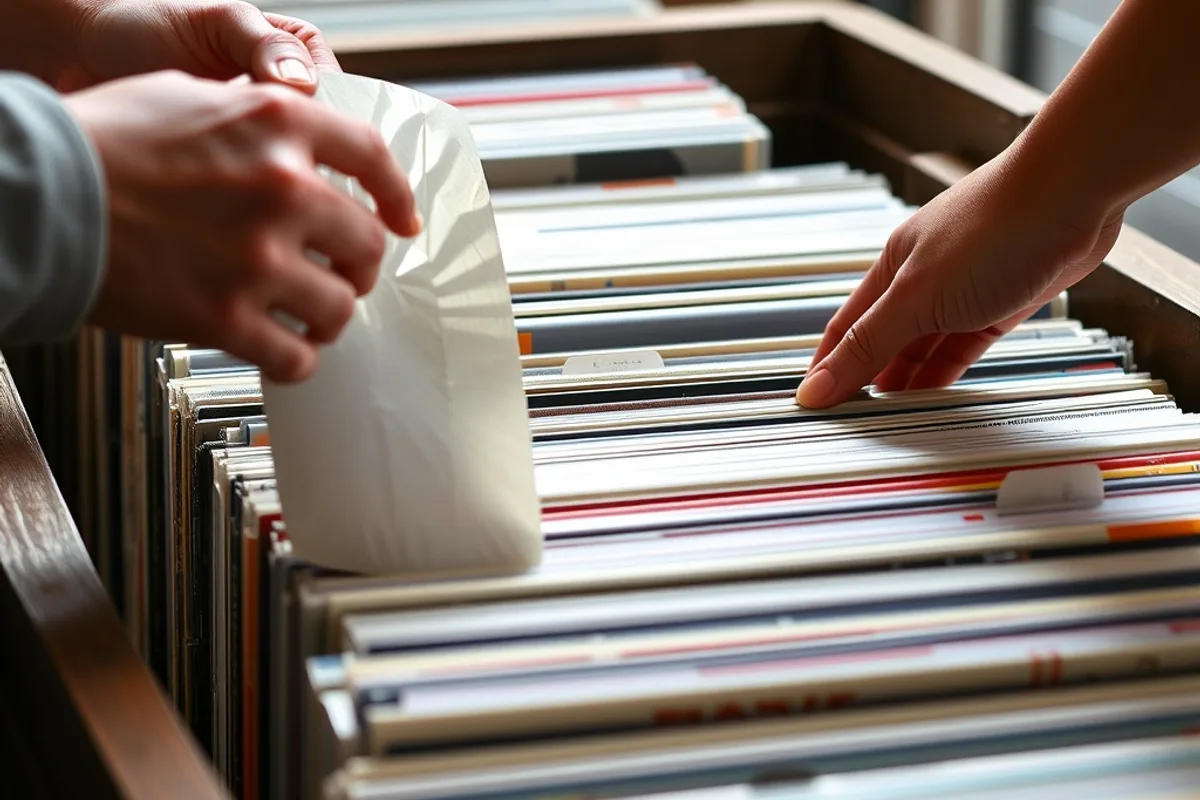
The record is not a replacement for convenience. It is a different mode of attention.
Price and the value question
A new single LP often costs the equivalent of several months of streaming. That comparison misses the point, but it still shapes the decision. Records are bought as gifts, as souvenirs of a night out and as objects to live with. When money is tight, those are the purchases that get postponed first.
The shops adapting best are transparent about cost. They explain why a small pressing costs more, stock a range of prices and resist the temptation to inflate every limited edition. They also buy back collections, which keeps affordable second-hand stock moving and brings new customers into the habit.
Also see our guide to where album art meets photography for a deeper comparison.
How people actually listen
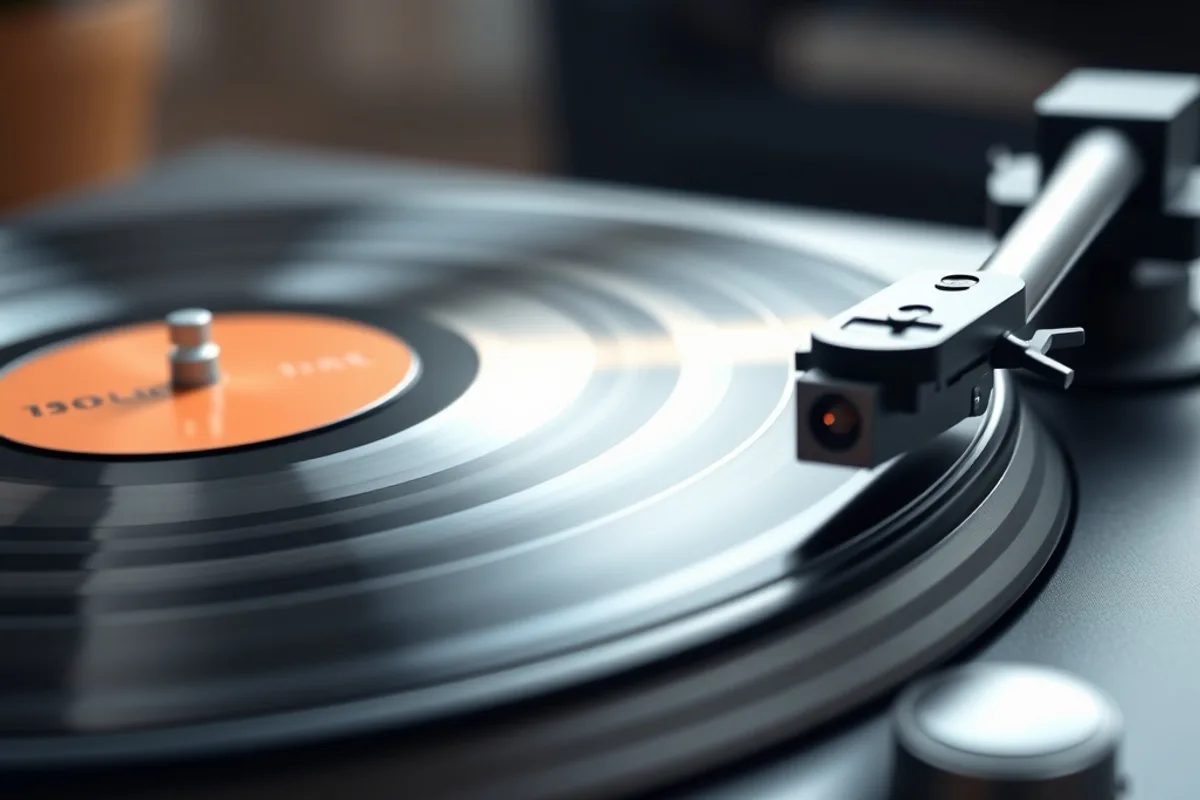
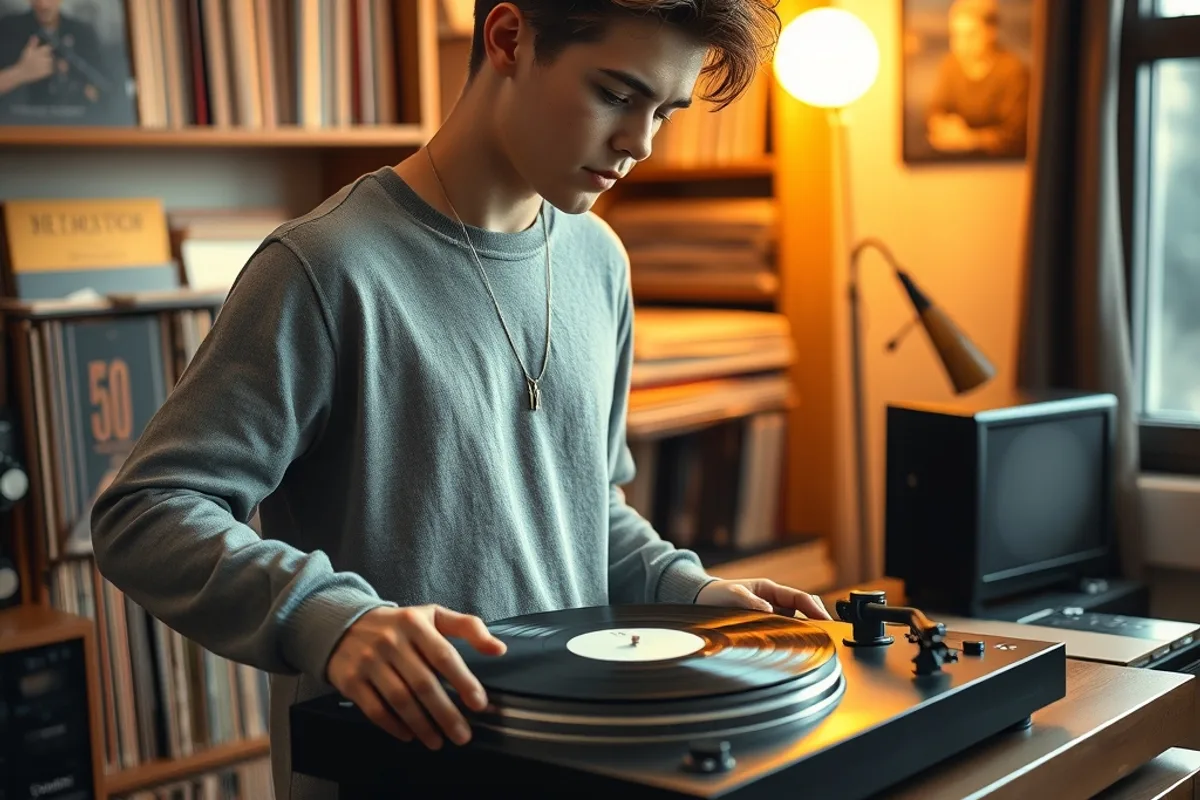
Most record buyers we spoke to also stream. The record is not a replacement for convenience; it is a different mode of attention. Putting a side on means committing to twenty minutes, and that constraint is the appeal. Few describe the sound as universally better, though many prefer the ritual.
This has implications for hardware. Entry turntables are good enough for most listeners, but cheap speakers let them down. The sensible upgrade path is a decent pair of powered speakers before a more expensive cartridge. Shops that demonstrate this in the room sell fewer fashionable accessories and more systems people keep.
Background: the history of the vinyl record.
The collector economy
Discogs and similar marketplaces have made every collection a potential portfolio. That can be useful for insurance and for finding rare pressings, but it also encourages speculative buying. When a limited variant sells out and appears at three times the price, the music risks becoming a ticket rather than a record.
The healthiest scenes push back with community norms: shop limits on scarce titles, direct sales to local buyers and a refusal to celebrate flipping. None of this is enforceable at scale, but it shapes the culture. A scene that treats records as music first tends to keep its shops and its audiences longer.
What to buy in 2026
If you are starting, buy one record you will actually play and a turntable you can upgrade. Avoid the cheapest all-in-one units with built-in speakers; they cannot be improved and often damage records. A basic belt-drive deck with a replaceable cartridge and a pair of powered speakers is a better first system.
If you are buying as a gift, choose a well-pressed edition from a shop that will exchange a warped copy without argument. And if you are an artist, press a small run, sell it at shows and be honest about the wait. Vinyl rewards patience on both sides of the counter, which may be the most old-fashioned thing about it.
- Shops described two core buyers: long-time collectors and younger deliberate purchasers.
- Pressing capacity remains the biggest constraint on release schedules in 2026.
- Limited variants outsell standard black pressings for catalogue reissues.
- Most buyers also stream; vinyl is valued for ritual and attention rather than convenience.
- A basic belt-drive deck plus powered speakers is a better first system than an all-in-one.
Independent Venues Find a New Rhythm After the Streaming Boom