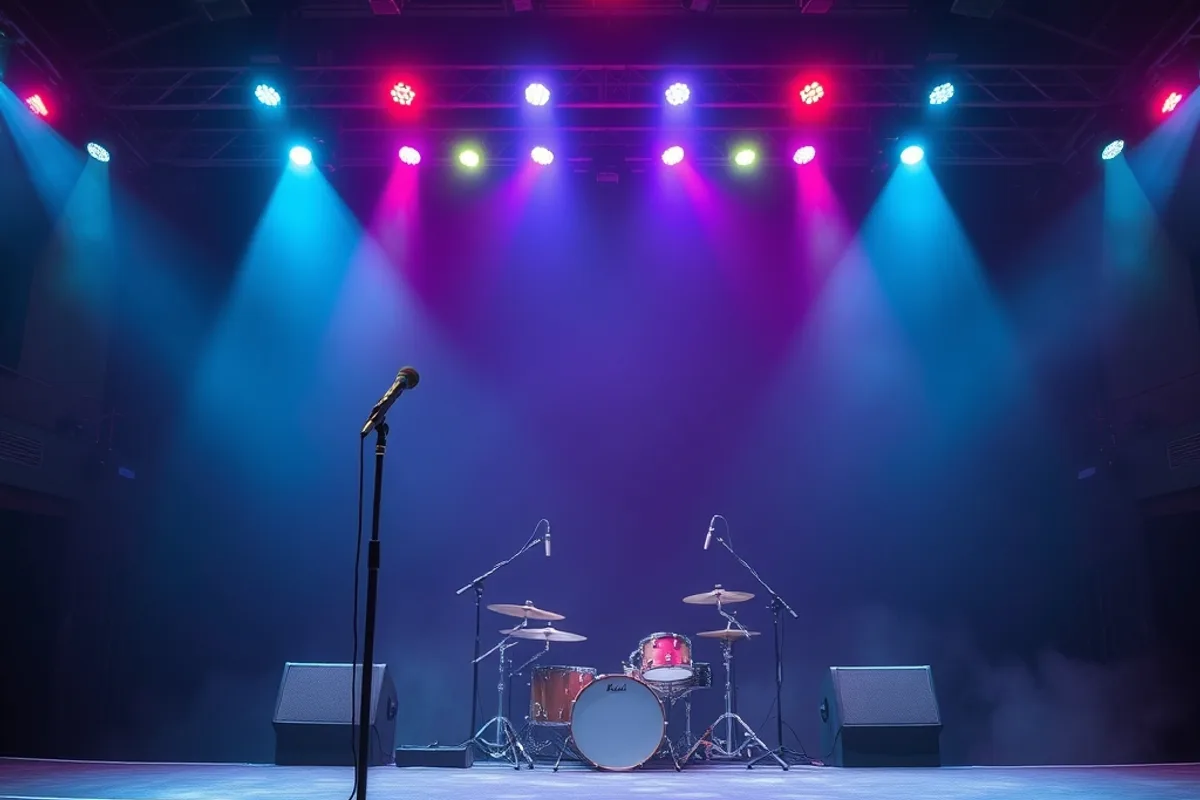
Independent Venues Find a New Rhythm After the Streaming Boom
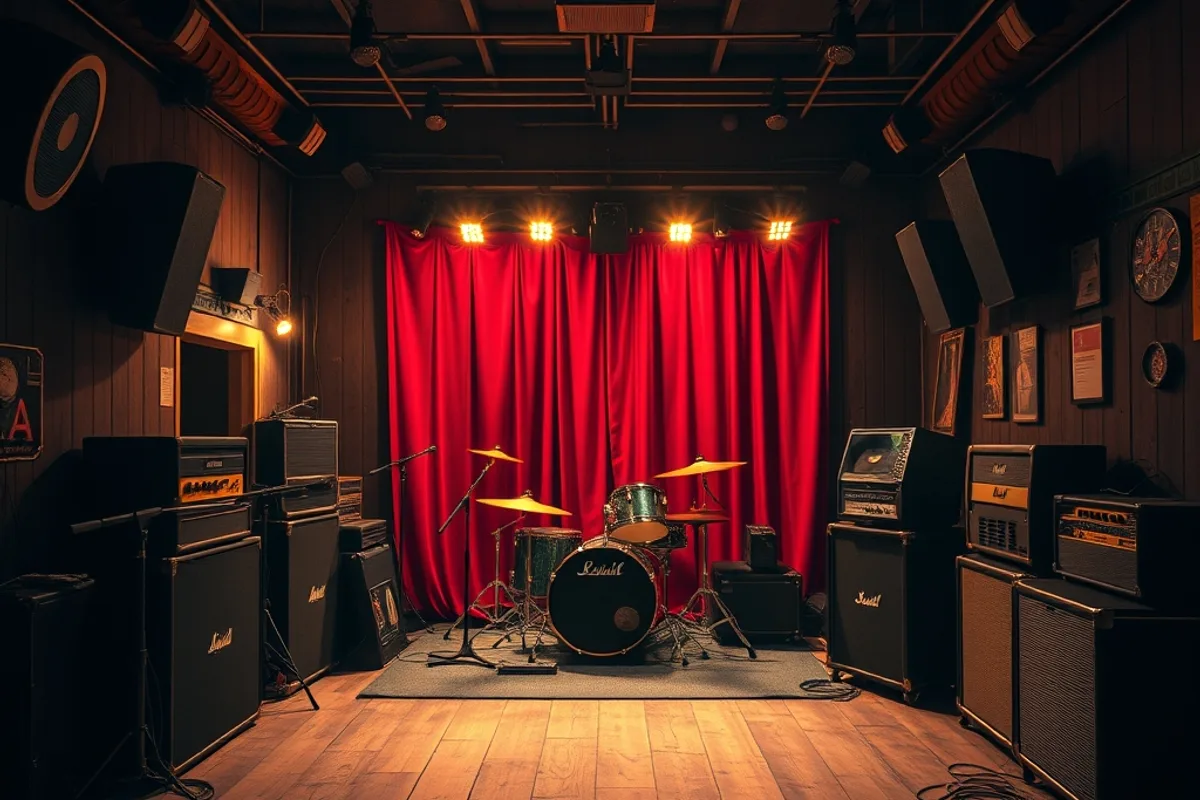
Streaming made recorded music almost free and live music more important than ever. Yet the small venues that break new artists are still closing. In 2026, the ones that survive are changing how they sell a night out, and the lessons are more practical than romantic.
The problem with the old model
For decades the small venue business ran on a simple trade: sell tickets, sell drinks, pay the band. Rising rents and insurance have broken that arithmetic. A room that holds 180 people cannot absorb a 30 percent rent increase without either raising prices or cutting the thing that made it interesting, which was often the riskier booking.
The pandemic accelerated a shift that was already visible. Audiences learned to stay home, and artists learned to reach them directly. When people did return, they came later, drank less and expected a reason beyond a lineup. The venues that refused to adapt kept booking the same way and quietly ran out of runway.
Listening rooms and the premium night
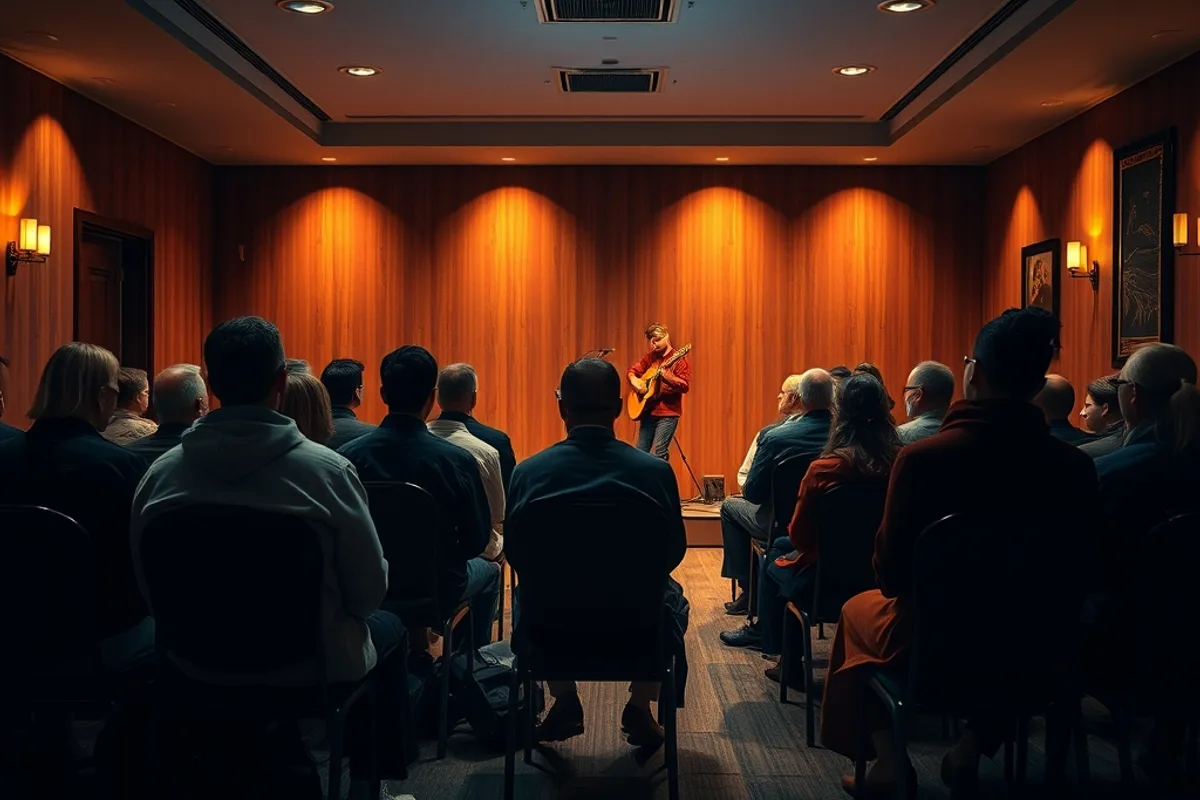
One response is the listening room: a seated show with a quiet policy, a good system and a higher ticket price. It sounds exclusive, but the economics are honest. Fewer people, more attention, and a bar that does not need to compensate for low margins. Artists often prefer it because they can hear themselves and sell records afterwards.
The risk is repetition. A venue that only books acoustic acts narrows its audience and its cultural role. The better examples alternate formats: a loud Friday, a seated Sunday, a late electronic night once a month. The room stays the same; the contract with the audience changes.
Related reading: what listeners actually buy on vinyl pairs well with The Vinyl Revival Grows Up.

Memberships that actually mean something
Membership schemes have a bad reputation because many are just discount cards. The ones working in 2026 offer something scarcer: priority booking, a say in programming and a direct line to the staff. In return, members provide predictable income that helps a venue take a chance on an unknown act.
Transparency matters more than perks. A venue that publishes how membership money is spent, and what it enabled, builds trust that a free tote bag never will. The best schemes are capped so they do not turn the room into a private club, and they keep a meaningful allocation of tickets for the general public.
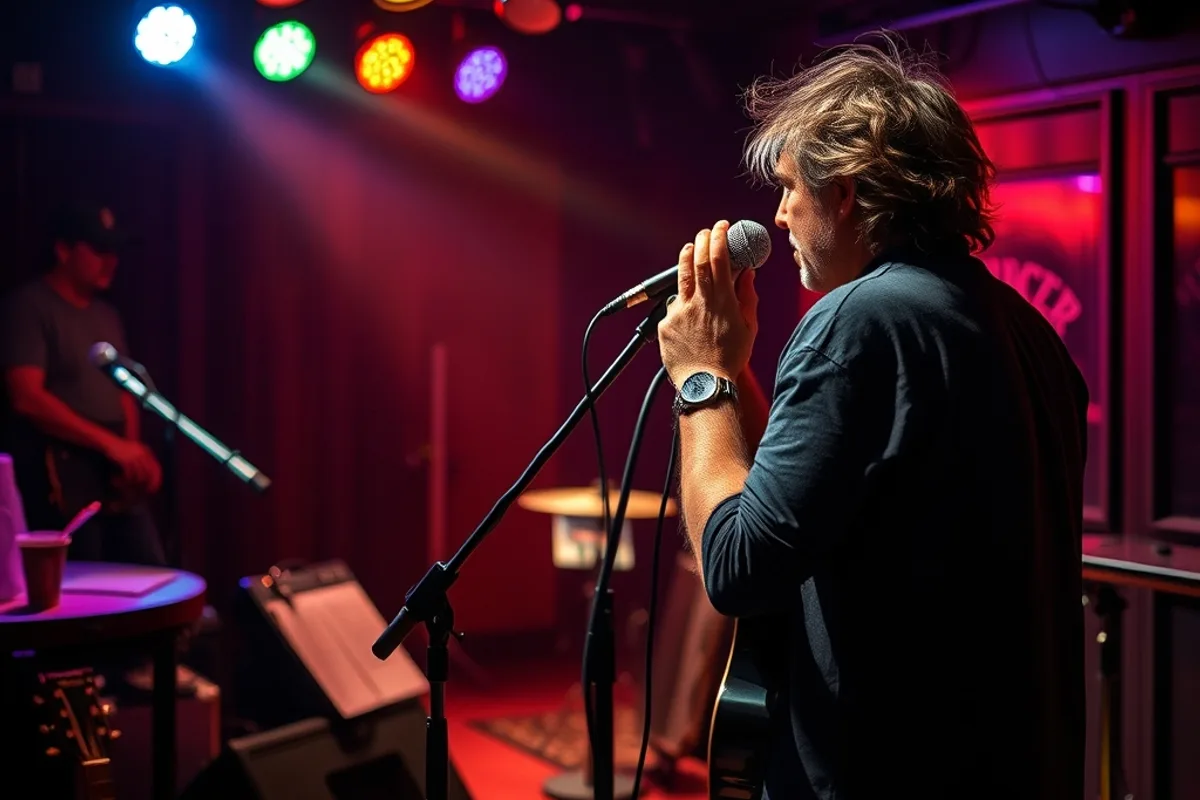
The room stays the same. What changes is the contract with the audience.
Booking smarter, not safer
Data has crept into booking, and not always for the better. When every decision is based on past ticket sales, new artists struggle to get a first show. The venues finding a way through tend to pair a reliable headliner with an unfamiliar opener, using the draw to subsidise the discovery rather than pretending the risk does not exist.
Local partnerships help too. A venue that works with a record shop, a radio show or a music school inherits an audience that already trusts the curator. These relationships take years to build and cannot be bought at short notice, which is exactly why they are hard for a new competitor to copy.
Also see our guide to how to shoot live music with confidence for a deeper comparison.

What artists need from a room
Ask musicians what makes a venue good and the answers are rarely about prestige. They mention a load-in that does not require carrying gear up three flights, a sound engineer who listens, a clean green room and a prompt settlement. These are operational details, but they decide whether an artist returns and tells others.
Fair pay is part of the same conversation. A door split can work for a established act with a following, but it places all the risk on the performer. The healthier rooms combine a modest guarantee with a share of the door, so the artist can plan and the venue still benefits when the night sells out.
Background: the economics of live music venues.
The neighbourhood question
Every successful venue eventually faces the same problem: the neighbourhood changes because the venue made it desirable, and then complains about the noise. Soundproofing is expensive, but it is cheaper than a legal battle. The venues that plan for this early, with insulated walls and a working relationship with residents, last longer.
Licensing is the other pressure point. Rules written for a different era often treat a 150-capacity room like a stadium. Local campaigns to modernise those rules have produced real wins, but they require venues to organise together. A single venue complaining looks like a business problem; a district speaking together looks like cultural infrastructure.
A realistic outlook for 2026
There is no single fix, and any venue that promises one is selling something. The survivors we visited shared three habits: they knew their capacity and cost per night precisely, they built at least one income stream that was not the bar, and they treated the audience as collaborators rather than customers.
The wider lesson is that live music is not a charity and not a gold mine. It is a small business with a cultural job. Policy that recognises that, through sensible licensing, targeted support and fair touring costs, will do more than another awareness campaign. Until then, the rooms that remain will keep improvising, and audiences will keep showing up when the night is worth it.
- Small venues in our sample reported later arrivals and lower bar spend than in 2019.
- Seated listening nights can charge 40 to 60 percent more per ticket with fewer seats.
- Capped membership schemes provide predictable income without closing the room to the public.
- Artists ranked load-in, sound and prompt payment above prestige in every interview.
- Soundproofing and district-wide licensing reform were the most cited long-term defences.
The Vinyl Revival Grows Up: What Listeners Actually Buy in 2026